The influencer campaign checklist for Indian brands: brief, contract, label, usage, AI content, tax and the report, in order
An influencer campaign checklist for Indian brands, brief to close-out: contract, label, usage, AI content, TDS and the report, with a copyable version.
Playbooks Updated 19 min read The operators’ desk
In this article11 sections
An influencer marketing checklist for an Indian brand runs eleven stages in one order: brief, shortlist, audience check, contract, paid label, usage, AI label, tax and invoice, posting, report and close-out. Each stage names the Indian rule behind it, where there is one, and who signs it off. The full list, ready to copy, comes last.
This checklist comes from vexo.club: an influencer marketing agency run from one desk in Delhi NCR. This one does not stop when the post goes live: it runs on to the invoice and the report, because the Indian rules a brand answers for are settled before the post and tested after it.
The checklist, in short
- Run eleven stages in one order, from the brief to the close-out.
- Each stage names the Indian rule behind it, where there is one: the paid label under the CCPA’s guidelines and ASCI’s code, ASCI’s AI label and the IT Rules, the NMC for doctors, TDS and GST on the invoice.
- The paid label and the AI label are two checks, made on the draft and again on the live post.
- Release the last payment once the invoice is complete and the live check is done.
- End with a report in fixed columns and a close-out note, so the next brief starts from this one.
ASCI’s press release on the Annual Complaints Report 2025-26, dated 28 May 2026, says that of the 1,609 influencer ads ASCI processed, 97.3% required modification, and over 54% promoted categories prohibited by law or where advertising is restricted. That counts the ads ASCI processed, not every influencer post, so it is not a market rate. ASCI’s chairman, Sudhanshu Vats, lists, among the tendencies ASCI is seeing, “the normalisation of non-compliance as a post-publication correction exercise”. Every published figure for India, with its source, sets this one beside the rest.
What should an influencer campaign checklist cover?
An influencer campaign checklist should cover eleven stages, from the brief to the close-out, in the order a campaign meets them. The order is the point: the label, the usage window and the tax lines are cheap to settle before the shoot and harder after the post is live. The process, the paperwork and the payment walks the same ground; this page is its order of checks.
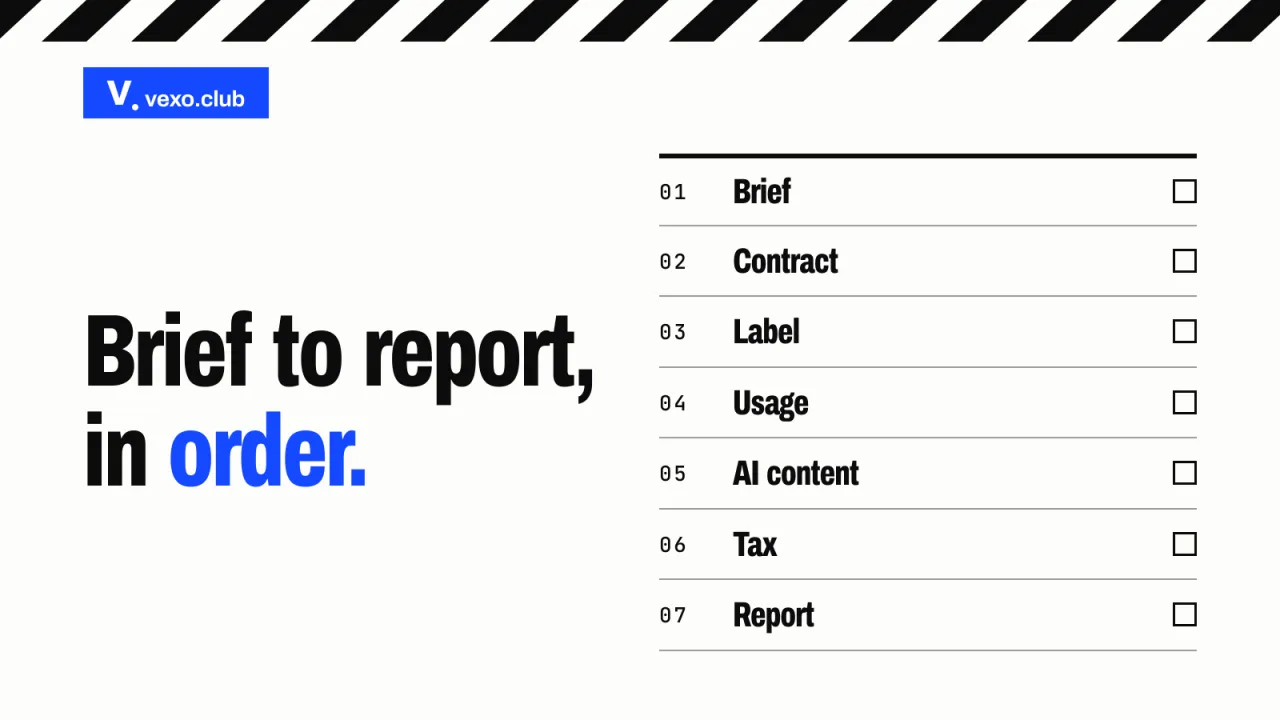
Eleven stages, in order
- Brief Objective, attribution method, budget lines, category rules
- Shortlist Creators whose audience is the customer
- Audience check The platform’s own exports, not screenshots
- Contract Deliverables, approvals, exclusivity, conduct, exits
- Paid label Written in, and read on the draft
- Usage Rights, handles and an end date
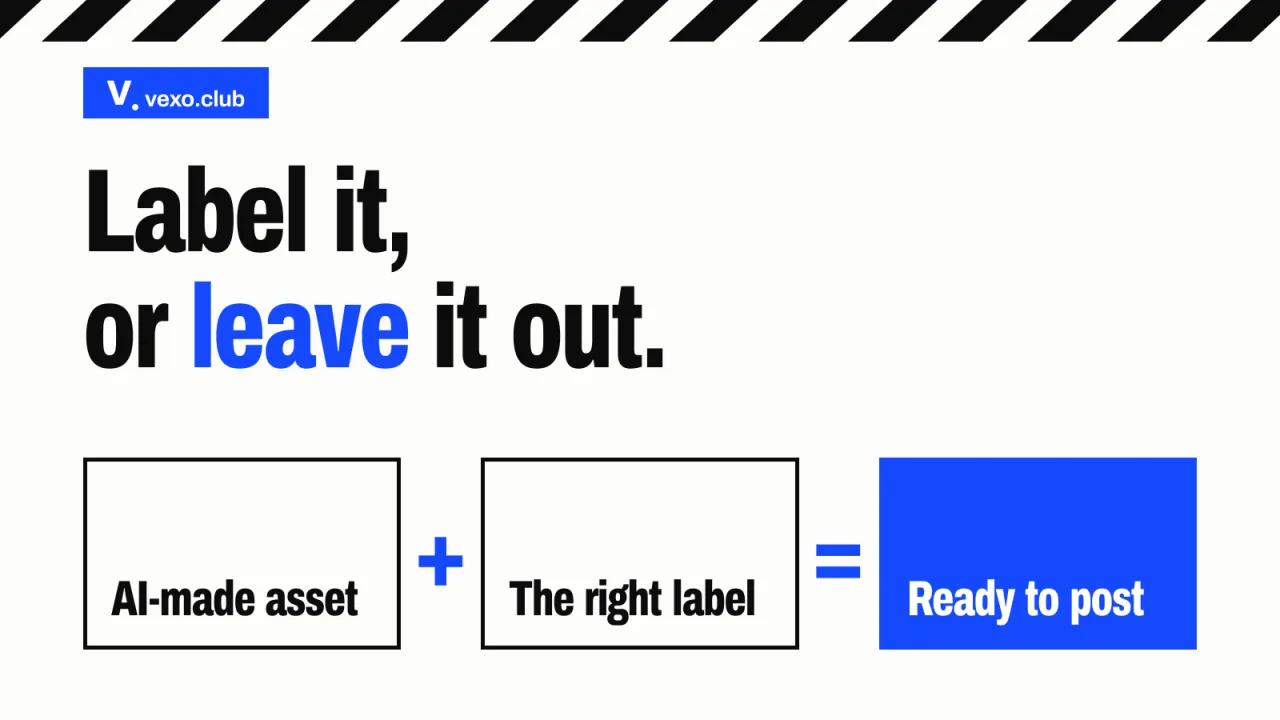
- AI label Every AI-made asset named, with its label
- Tax and invoice PAN, GSTIN and the TDS line
- Posting The live check, then the last payment
- Report Fixed columns, unverified figures marked
- Close-out Dates diarised, and the next brief starts here
The table pairs each stage with the rule behind it and a suggested sign-off; a brand’s own policy decides.
Stage, the rule behind it, and who signs it off
| The rule or source behind it | Who signs it off | |
|---|---|---|
| Brief | Category rules: ASCI, the NMC for doctors, the Online Gaming Act | The brand’s marketing head |
| Shortlist | ASCI’s qualification line, for a health or finance creator who gives advice | The marketing head, with the agency if there is one |
| Audience check | Not a legal step; the creator’s own exports | Whoever owns the budget |
| Contract | The written terms; counsel reads them | Brand legal |
| Paid label | The CCPA’s 2022 guidelines, ASCI’s influencer guidelines and the platform’s tag | The brand or its agency, on the draft |
| Usage | The contract’s usage clause | The marketing head and legal |
| AI label | ASCI’s AI guidelines and the IT Rules, as amended in February 2026 | The brand or its agency, on the draft |
| Tax and invoice | The Income-tax Act, 2025 for TDS; GST | The finance team and the brand’s chartered accountant |
| Posting | The label read again on the live post | A named person on the brand side, or the agency’s operator |
| Report | The desk’s rule: unverified figures marked, never totalled | The marketing head |
| Close-out | The contract’s usage and takedown dates | The marketing head and finance |
The sections below take the stages in order, each kept to its line, with a link to the guide that holds the detail.
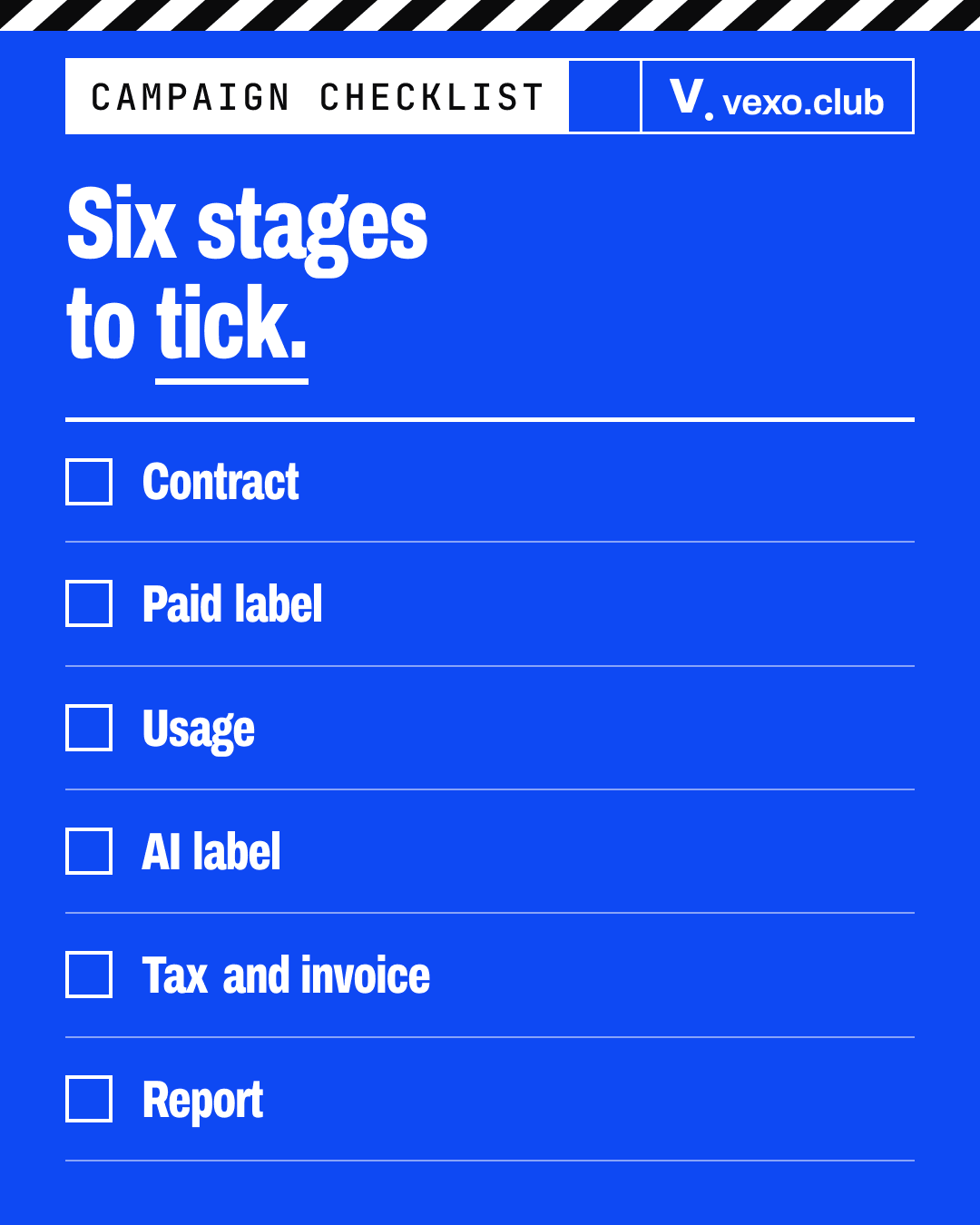
Six of the eleven stages, ready to tick
What is decided before the brief goes out?
Before the brief goes out, a brand decides four things: the objective, how it will be measured, the budget as line items, and the category rules. The objective is one sentence with the one number that decides whether the campaign worked, and the attribution method is chosen with it: a tracked link, a code, whitelisted ads or reach only. The open brief template has a line for each, and the brief a creator receives is four lines, set out in briefing a creator. If the route is still open, see which route a brief needs.
Plan the calendar backwards from the date that cannot move. The 14-day launch playbook is the calendar the desk runs for quick-commerce launches, and a seasonal brief starts from the wedding-season windows or festive planning. A four-week brief for a handful of creators looks like this.
A four-week brief, week by week
- Week 1 Brief, shortlist, audience check and contract On the desk’s record a shortlist comes back in 18 hours, and contracts and briefing take inside a week.
- Week 2 Shoot, drafts and the draft check The paid label and any AI-made asset are read on every draft, and the claim is approved in one round.
- Week 3 Posting and the live check The label, the claim and the tags are read again once each post is live.
- Week 4 Report, invoices and close-out The report arrives in fixed columns, invoices are checked for PAN, GSTIN and the TDS line before payment, and the close-out note records the usage end dates.
Category rules come before creative. In health, the NMC’s public notice of 6 October 2026 says a registered doctor shall not give any approval, recommendation or endorsement of a drug, health product or commercial product for use in advertising, “whether or not monetary or other consideration is received”; what a health brand can still brief sets out the clauses. Online money games cannot be advertised at all: section 6 of the Promotion and Regulation of Online Gaming Act, 2025 bars any advertisement that “directly or indirectly promotes or induces any person to play any online money game”.
How should the shortlist and the audience be checked?
Ask every creator for the platform’s own exports for the same ninety days, and read the audience against the brief before reading the rate. A screenshot is a claim and an export is a record. Read where the audience lives, which language the replies come in and whether growth lines up with real events; how to check an influencer’s audience lists the exports and the order. On the desk’s record, audience checks run before casting.
From long list to live posts
- The long list Creators who fit the brief on paper
- The audience check Exports read against the brief
- The shortlist Audience-fit data and a rate for each creator
- The signed contracts Deliverables, label, usage and AI lines agreed
- The approved drafts Label and claim read before approval
- The live posts The label read again on the live post
Stages in order. The widths are not to scale.
What goes in the contract?
The contract names every deliverable, the approvals, the exclusivity, a conduct clause, the payment and tax terms, and the exits. The clauses that change the price takes deliverables, exclusivity, approvals, takedown and payment one by one. A conduct clause, often called a morality clause, says what triggers an exit, who decides and what follows; the morality-clause guide sets out fair wording and the first 48 hours after a creator is in the news. This is a list of what to settle, not wording to sign from, and counsel reads the final contract.
What the contract file holds
- Deliverables Format, platform, number and posting window, one line each
- The label The paid label, where it sits and who checks the draft
- Usage Each right, the handles, an end date and the ad permission as its own line
- Exclusivity The category and the dates, with its own fee
- Approvals and conduct One round on the claim and the label; what triggers an exit, who decides, what follows
- AI and consent Each AI-made asset, and written consent for any face or voice clone
- Payment, tax and exits Who invoices, PAN and GSTIN, the TDS treatment, a late post and a takedown
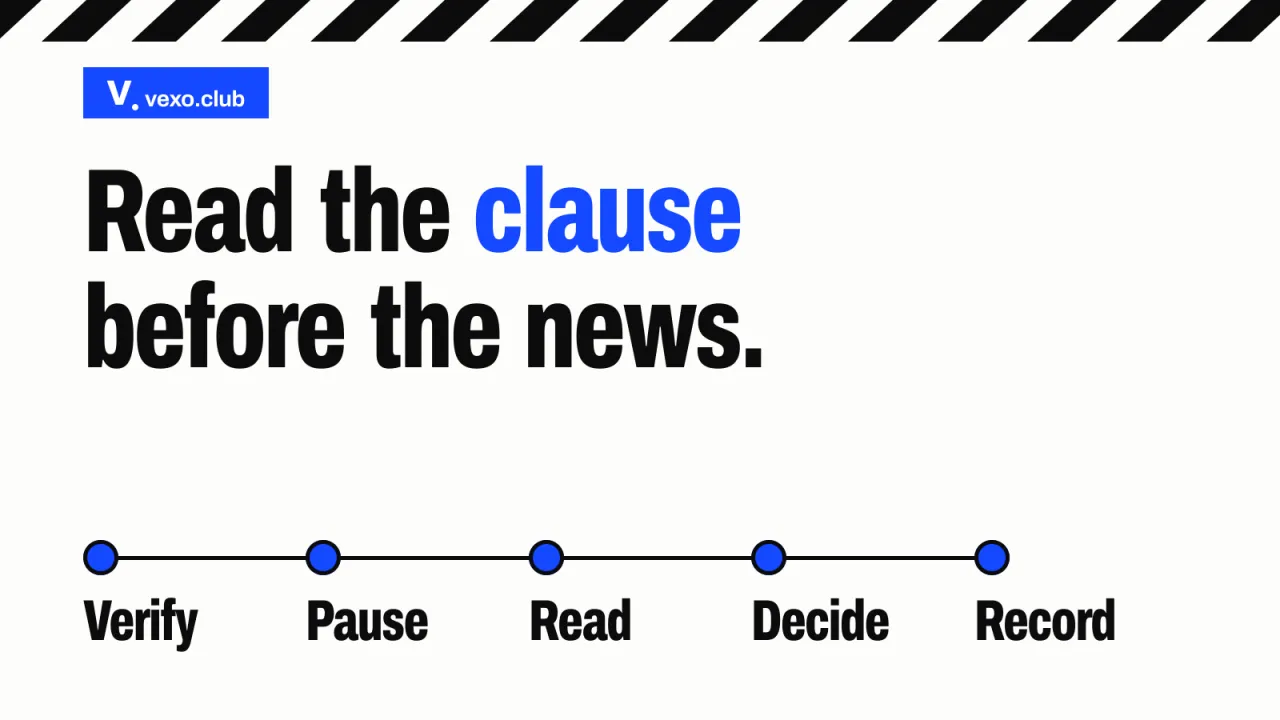
Usage is the one clause that expires. It names each right (organic repost, whitelisting, amplification and use in the brand’s own marketing), the handles and an end date, and the end date goes in the brand’s diary. Usage rights takes the rights apart, and whitelisting, explained covers the paid route.
Who checks the paid label, and when?
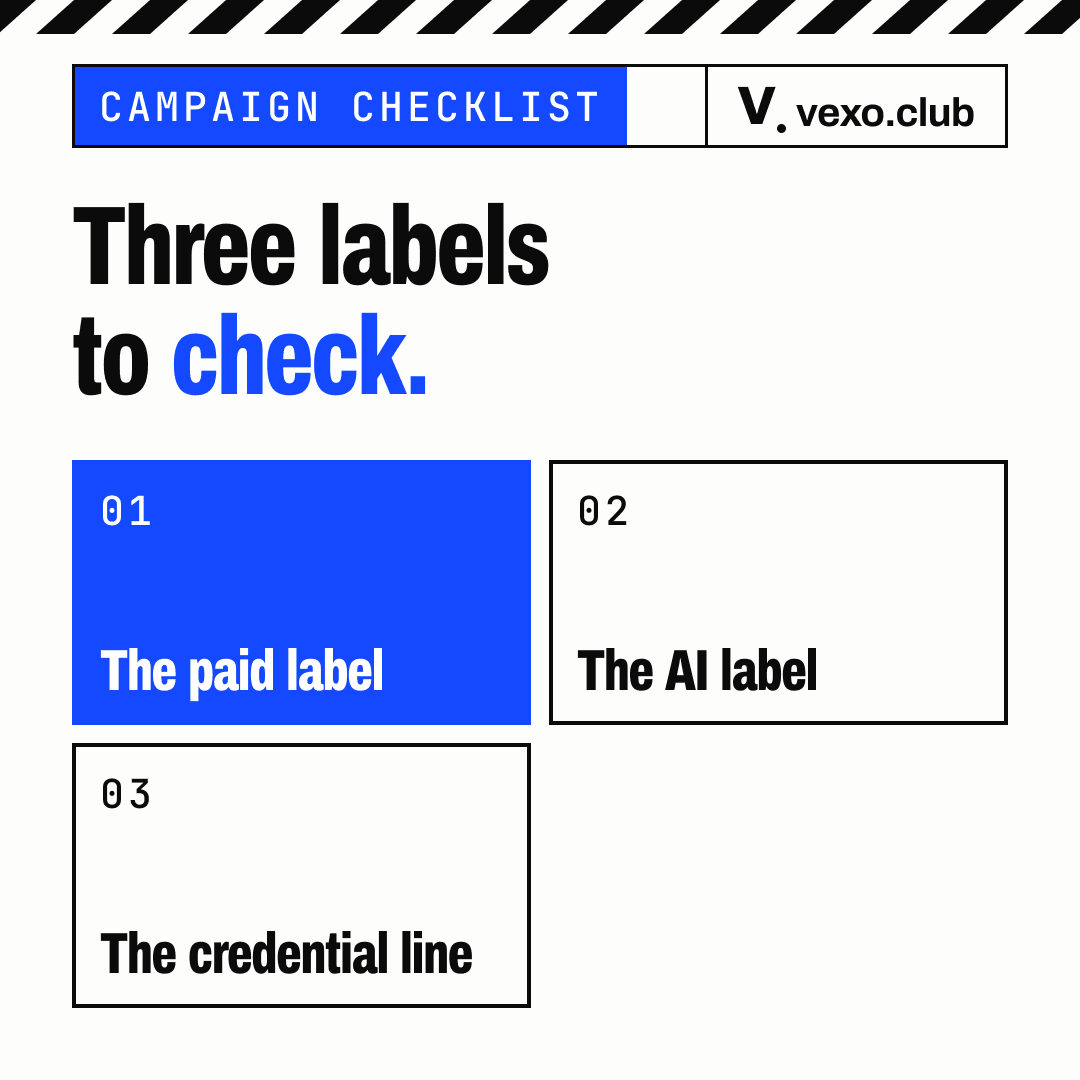
The brand or its agency checks the paid label, on the draft before approval and again once the post is live. ASCI’s influencer guidelines (the version with the addenda of 15 July 2021 and 17 August 2023) put the responsibility for disclosure “upon the Advertiser for whose product or service the advertisement is, and also upon the Influencer”, and say the advertiser “shall, where needed, call upon the Influencer to delete or edit an advertisement or the disclosure label”. Behind ASCI’s code sits the law: clause 14 of the Central Consumer Protection Authority’s guidelines on misleading advertisements and endorsements, notified on 9 June 2022 under the Consumer Protection Act, 2019, says a material connection “shall be fully disclosed in making the endorsement”. ASCI’s guidelines count as a material connection “free products with or without any conditions attached including those received unsolicited”, so a gifted product is labelled too. The label must be “upfront and prominent”, and a platform’s tool “should be considered in addition to an influencer’s own disclosure”. ASCI disclosure for brands says where it goes on each format; the paid partnership label covers Instagram.
Where a health or finance creator gives advice or makes a technical claim, the post carries a third line, the credential line. ASCI’s Addendum 2 asks for the relevant qualification in health and nutrition and, for stock or investment advice, SEBI registration with the number, stated upfront; a creator without one may share only generic information. The NMC notice separately asks a doctor’s own posts to carry name, qualifications, registration status and registration number; it does not lift the bar on endorsements in clause 8.1(iv), so a doctor still cannot endorse the product.
What does AI-made content add to the checklist?
AI-made content adds one more label to check and a list of AI-made assets in the brief. ASCI’s guidelines on labelling synthetically generated content in advertising, dated 17 September 2026 and released on 29 September, take effect “on the expiration of 3 months from the date of their publication”; counted from the release, that is 29 December 2026, a reading the AI-labelling guide explains. They require a label where AI content materially influences a buying decision and would mislead without one, starting with synthetic influencers, and prohibit fabricated endorsements and a likeness used without consent. For a fully synthetic creator, see what a virtual creator is and what its posts must say.
The platform side applies already. The Information Technology (Intermediary Guidelines and Digital Media Ethics Code) Amendment Rules, 2026, notified as G.S.R. 120(E) and in force since 20 February 2026, add rule 4(1A)(a): a significant social media intermediary must “require users to declare whether such information is synthetically generated information”. The creator’s AI declaration on upload should match the brief’s list of AI-made assets. For the checklist, list every AI-made asset in the brief (a render, a cloned voice, a synthetic presenter) and name its label and who adds it, or note why none is needed under ASCI’s no-label list (routine edits, decorative backgrounds, obvious fantasy, copy and accessibility). Read the AI label in the same pass as the paid label.
Three labels to check before a post goes live
What should the invoice show before it is paid?
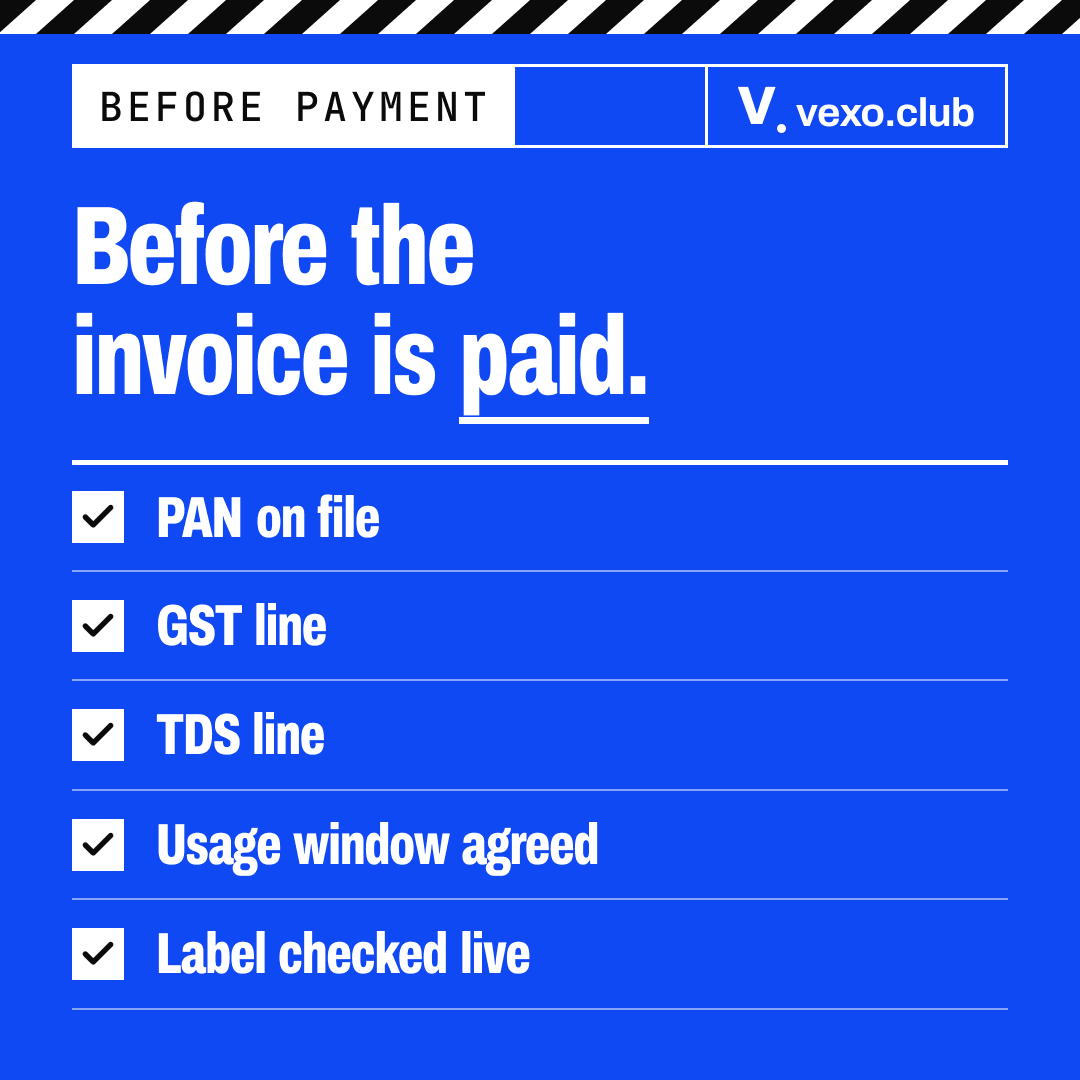
The invoice shows the deliverable, the fee, the creator’s PAN, the GSTIN and GST line where the creator is registered, and the TDS line; release the last payment once the usage window is agreed and the label has been checked on the live post. The Ministry of Finance’s release of 1 April 2026 says the Income-tax Act, 2025 came into force that day, replacing the 1961 Act. Which provision applies to a fee, an agency’s invoice, a product the creator keeps or a prize is for the brand’s chartered accountant to confirm; the TDS guide for creator payments sets out the readings. This is general information, not tax advice.
Five checks before an influencer invoice is paid
What is checked when the post goes live?
The label, the claim and the tags are read again on the live post, against the draft that was approved. A caption can be edited and an interface can crop a label, so the check is repeated within the first day. On Instagram, name the route for each deliverable: a Collab shares the post, the paid partnership label discloses it and a partnership ad buys more reach; Collab, label or ad sets out the three, and a Collab is not a disclosure. For YouTube products, see the YouTube Shopping affiliate guide. Release the last payment only after the live check.
The habits below keep a brief clean. Each pair sets a habit beside the failure it prevents.
Running a brief
Do
Write the objective and the attribution method before the first creator is shortlisted
Don’t
Choose the method after the results arrive
Do
Read the platform’s own export for every creator
Don’t
Accept a screenshot of an audience
Do
Read the paid label on the draft, and again on the live post
Don’t
Approve the draft and never look at the live post
Do
Put the usage window and its end date in the contract
Don’t
Run a post as an ad because the creator agreed in a message
Do
Collect the PAN and settle the TDS treatment before the first payment
Don’t
Pay first and ask for the tax details afterwards
Do
End with a close-out note
Don’t
Start the next brief from a blank page
What do the report and the close-out hold?
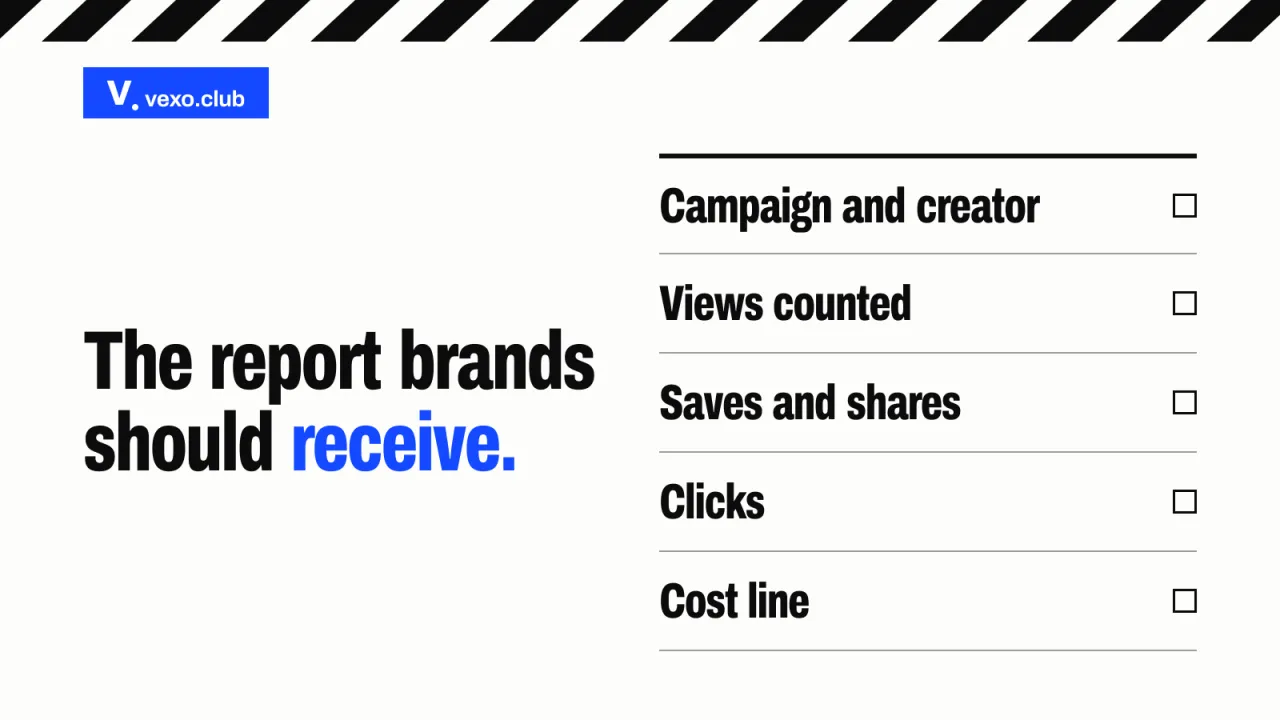
The report is the same columns every week, and the close-out is one note when the posts end. The desk’s weekly sheet carries reach, engagement rate, cost per acquisition, CPM and the next move, with figures that cannot be verified marked as such and never totalled. The report template guide adds the views, clicks and orders columns and who counts each one. The close-out records the usage and takedown dates, reconciles the invoices with the TDS lines, notes which creators to book again and says what the numbers could not see.
The checklist, in full
Each line is a statement that is true before the next stage starts. Copy the list into the brief document, and tick a line only when the person named in the table above has signed it off.
The influencer campaign checklist, in full
- Brief: the objective is one sentence, with the one number that decides whether the campaign worked.
- Brief: the attribution method is chosen before casting: a tracked link, a code, whitelisted ads or reach only.
- Brief: the budget lists creator fees, production, usage and paid media as separate lines.
- Brief: the category rules are checked: health, finance, online money games, real estate and any other regulated category.
- Brief: the creator’s brief is four lines, with the one claim worded as legal approved it.
- Shortlist: any health or finance creator who will give advice or make a claim holds the qualification or SEBI registration ASCI asks for, and the draft will state it upfront.
- Audience check: every creator has sent the platform’s own exports for the same ninety days.
- Audience check: the audience’s city and language match the brief, and the replies read like real people.
- Contract: each deliverable is its own line, with format, platform, number and posting window.
- Contract: one round of approval covers the claim and the label, with a reply time for the brand.
- Contract: exclusivity names a category, dates and its own fee.
- Contract: a conduct clause says what triggers an exit, who decides and what follows.
- Contract: the exits cover a late post, a wrong claim and a takedown request, and what happens to the fee.
- Paid label: the label is written into the brief and the contract, with who adds it and where it sits.
- Paid label: as ASCI advises, a platform’s tag is used in addition to a plain label.
- Paid label: the label is read on the draft before the draft is approved.
- Usage: each right is named: organic repost, whitelisting, amplification and use in the brand’s own marketing.
- Usage: each right has handles, a start date and an end date, and the end date is in the brand’s diary.
- Usage: permission to run a post as an ad is given in writing, and its fee is its own line.
- AI label: every AI-made asset is listed in the brief, such as a render, a cloned voice or a synthetic presenter.
- AI label: each asset has its label named and who adds it, or a note on why none is needed under ASCI’s no-label list, and no face or voice is cloned without written consent.
- AI label: the AI label is read in the same pass as the paid label.
- Tax and invoice: the PAN is on file for every creator who is paid.
- Tax and invoice: the invoice shows the GSTIN and the GST line where the creator is registered.
- Tax and invoice: the TDS treatment of each payment, including any product the creator keeps, is agreed with the brand’s chartered accountant.
- Posting: the label, the claim and the tags are read again on the live post within the first day.
- Posting: the route is named for each deliverable: a Collab, the paid partnership label or a partnership ad.
- Posting: the last payment is released only after the live check.
- Report: the report arrives in the same columns every time, each figure marked verified or not.
- Report: unverified figures are marked and never totalled.
- Close-out: the note records usage end dates, takedown dates, invoices and TDS lines, and what the next brief keeps.
Who holds the list matters less than that someone does. In-house team, agency or both sets out who does which job, and scoring an agency’s proposal reads a proposal against these stages. For the desk’s own process, read how a brief to the desk runs; a brief can be sent to the desk at any stage of this list.
Questions brands ask
What is an influencer marketing checklist? It is a list of the checks a brand makes at each stage of a creator campaign, in order. This one has eleven stages, from the brief to the close-out, and each line is true before the next stage starts.
What legal checks does an influencer campaign need in India? Five. The paid label, under the CCPA’s 2022 endorsement guidelines and ASCI’s self-regulatory influencer guidelines. The AI label under ASCI’s guidelines (in effect from 29 December 2026 on the AI-labelling guide’s reading) and the IT Rules for platforms. Category rules, such as the NMC notice for doctors and the ban on advertising online money games. Qualification lines where a health or finance creator gives advice. And tax on the invoice: TDS and GST. This is not legal advice, and counsel reads anything in a regulated category.
When should the usage window be agreed? Before the shoot, in the contract, with each right, the handles, the start and end dates and any permission to run the post as an ad. Usage is the clause that expires, so the end date goes in the brand’s diary.
Who checks the paid label? The brand or its agency. ASCI puts the responsibility for disclosure on the advertiser and the influencer both, so the brand reads the draft before approving it and the live post within the first day. A platform’s tag is used in addition to a plain label, as ASCI advises.
Is there a downloadable version? Not as a separate download. The list under “The checklist, in full” is the copyable version. This page also has a Markdown twin, which is the same address with .md added, and it carries the same list as plain text.
Does the desk run this checklist? Much of it, as process on record: a creator shortlist in 18 hours, audience checks before casting, contracts and briefing inside a week with usage agreed per deliverable before the shoot, the ASCI disclosure checked before a post goes live, and a weekly report. Tax questions go to the brand’s chartered accountant. To send a brief, write to mail@vexo.club, message the desk on WhatsApp or use the brief form.
Sources
- press release on the Annual Complaints Report 2025-26 (opens in a new tab) ascionline.in
- NMC’s public notice of 6 October 2026 (opens in a new tab) nmc.org.in
- Promotion and Regulation of Online Gaming Act, 2025 (opens in a new tab) meity.gov.in
- influencer guidelines (opens in a new tab) ascionline.in
- guidelines on misleading advertisements and endorsements (opens in a new tab) ccpa.doca.gov.in
- guidelines on labelling synthetically generated content in advertising (opens in a new tab) ascionline.in
- released on 29 September (opens in a new tab) ascionline.in
- Information Technology (Intermediary Guidelines and Digital Media Ethics Code) Amendment Rules, 2026 (opens in a new tab) meity.gov.in
- release of 1 April 2026 (opens in a new tab) pib.gov.in
Cite this page
The influencer campaign checklist for Indian brands: brief, contract, label, usage, AI content, tax and the report, in order. vexo.club, published 23 Oct 2026, updated 28 Oct 2026. https://vexo.club/blog/influencer-marketing-checklist-india
Send the desk a brief: it comes back as a shortlist and a directional band, never a public price.
Brief the desk