The YouTube Shopping affiliate programme in India: how a brand lists products, sets commissions, finds creators and puts paid money behind their videos
YouTube’s Shopping affiliate programme is live in India. How a brand lists products, sets commissions, finds creators and boosts their videos. Read from YouTube’s and Google’s own pages, dated October 2026.
Playbooks Updated 17 min read The operators’ desk
In this article11 sections
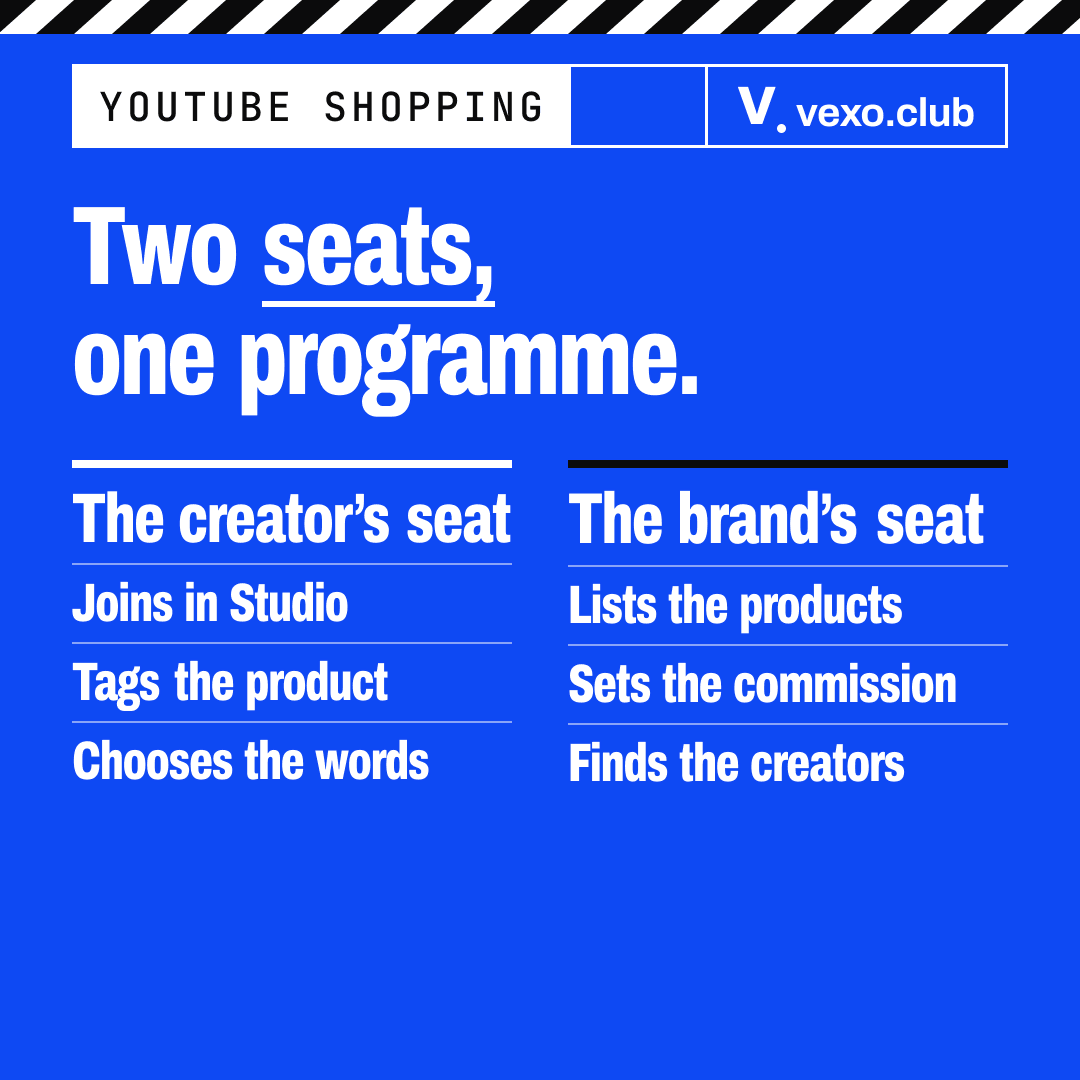
The YouTube Shopping affiliate programme lets creators in India tag products in videos, Shorts and live streams and earn a commission when a viewer buys on the retailer’s site. A brand joins from the other side: it makes products available to tag, sets the commission, finds creators in Merchant Center and, for some creators, runs their videos as ads.
This guide comes from vexo.club: an influencer marketing agency run from one desk in Delhi NCR. It reads the brand’s side of the programme from YouTube’s and Google’s own pages in October 2026. Every number belongs to a platform or a company, credited and linked; the guide prints no commission rate and no result of the desk’s own.
The programme from the brand’s side, in short
- Creators join in YouTube Studio and tag products. The brand’s side is in Google Merchant Center, where a seller manages the programme, finds creators and reads the sales.
- A creator must be in the YouTube Partner Programme and based in an eligible country, sees the commission beside each product, and is never obliged to tag one.
- Commission is paid to the creator through AdSense after a return window of months, and is reversed if the product comes back.
- Affiliate partnerships boost lets a seller run a creator’s tagged video as an ad, but only where the creator has opted in.
- A commission is compensation, which ASCI’s guidelines list as a material connection, so an affiliate video still carries a label.
What is the YouTube Shopping affiliate programme?
It is YouTube’s programme for paying creators a commission on the products they tag in their content. YouTube’s overview, read in October 2026, says viewers can keep watching while they check out on the retailer’s site, and that the creator tags products and reviews earnings in YouTube Studio. India is on its list of eligible countries. Google’s pages also spell it “program”.
Google India’s post of 24 September 2026, whose footnotes say what each figure counts, says more than half of eligible creators in India are enrolled, more than 19 million videos have been tagged with affiliate products since launch, and more than 450 million logged-in users in India searched for shopping on YouTube in June 2026.
Growth in YouTube Shopping in India, as Google states it
| Item | Value (per cent growth) |
|---|---|
| Average creator payout, Q1 2025 to Q1 2026 | |
| Enrolled creators, June 2025 to June 2026 | |
| Shopping watch time, April 2026 on April 2025 |
Source: blog.google
Which creators can join, and which cannot?
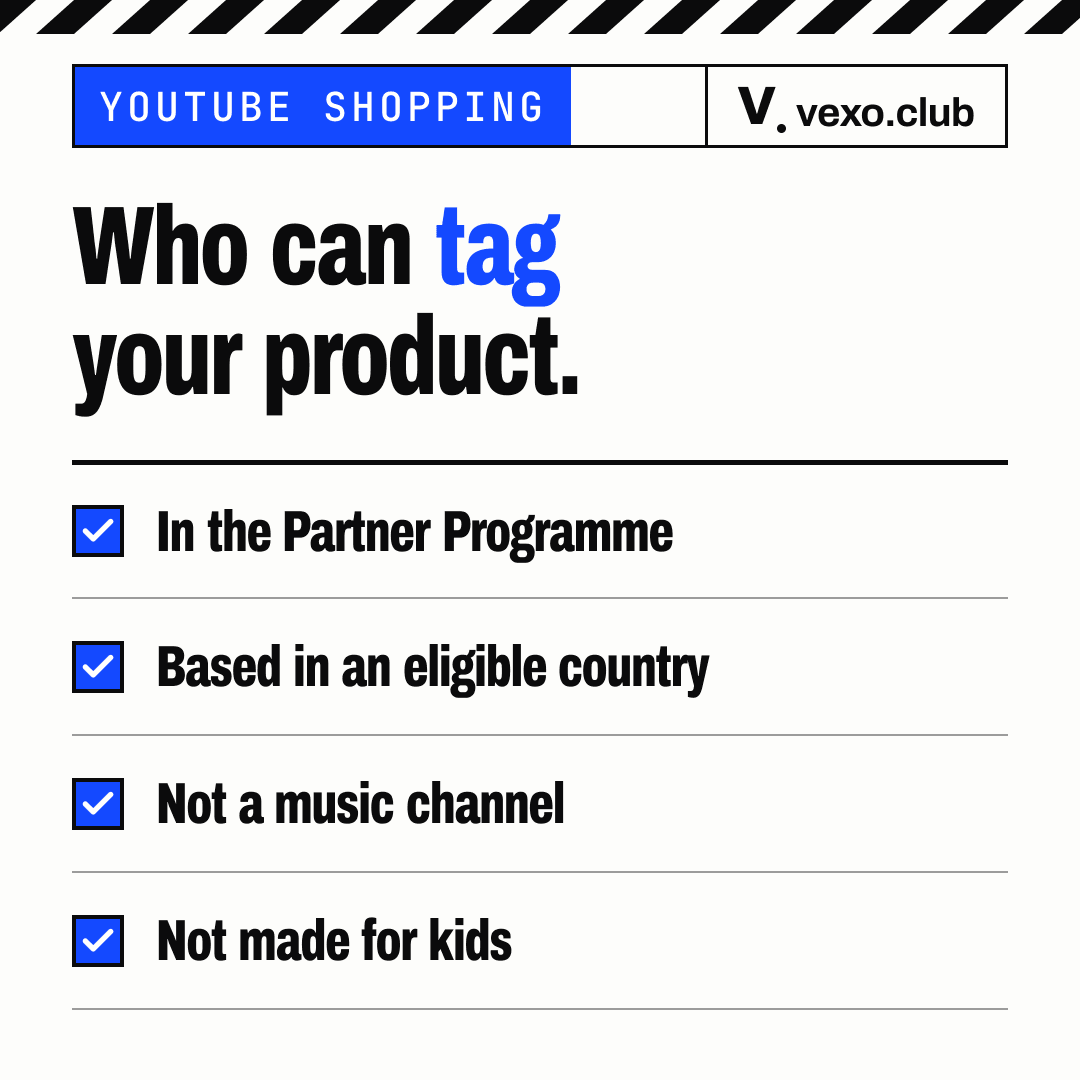
A creator can join if the channel is in the YouTube Partner Programme, meets its subscriber threshold and is based in an eligible country, India among them. Music channels, Official Artist Channels and channels set as Made for Kids are out. For a brand this fixes the pool: a creator outside the Partner Programme cannot tag your product, so an affiliate shortlist asks first whether each channel is enrolled, then runs the audience check.
Which channels can tag a brand’s product
Which retailers’ products can be tagged in India?
Google India’s post names Flipkart, Myntra, Nykaa, Purplle, Shopsy and Tira as retailers in the programme, and AJIO, Meesho, Snapdeal and Tata CLiQ as new partners whose arrival “will roll out soon”. YouTube’s Help page on tagging Amazon products lists India among three countries where an enrolled creator can tag Amazon items.
A product can be tagged only if its seller has made it available; YouTube’s tagging guidelines say products a creator cannot find “are not available for you to tag at the moment.” A brand selling through a listed retailer should ask how its products reach the programme and who sets the commission; the pages read here do not say. A D2C brand selling from its own site is the seller Google’s merchant pages address, but they list no countries a seller can enrol from, so the first check is whether a YouTube affiliate section appears in its Merchant Center account.
Storyboard18 reported the launch with Flipkart and Myntra on 25 October 2024 and the addition of Nykaa and Purplle on 10 October 2025. Google’s Made on YouTube post of 24 September 2026 says affiliate campaigns, with exclusive commission rates or bonuses from retailers and brands, reach India in 2027 (its words are “next year”); YouTube’s help page says they are, for now, available in the United States and Korea.
YouTube Shopping affiliate in India, as its sources date it
- October 2024 The programme starts in India with Flipkart and Myntra Storyboard18, 25 October 2024
- October 2025 Nykaa and Purplle join the programme Storyboard18, 10 October 2025
- 24 September 2026 Google India reports enrolment and payout growth, and names Amazon, AJIO, Meesho, Snapdeal and Tata CLiQ as joining Google India blog
- 2027, per Google New affiliate campaigns for India, with exclusive commission rates or bonuses from retailers and brands Google India blog, 24 September 2026
How does a brand list products and set a commission?
A seller manages the programme in Google Merchant Center, under YouTube affiliate in the Marketing menu, and its products must meet Merchant Center’s listing policy for the programme, as YouTube’s page on affiliate campaigns puts it. The status reads Active when the seller is “fully onboarded into the programme”, according to Google’s page on statuses. Creators see the seller’s categories and description when they browse merchants.
The commission is a fixed amount or a share of a sale (excluding taxes and other fees), paid “to a creator, and to YouTube”, according to Google’s page on default commission rates. Each brand sets its rate and attribution window per product, and YouTube’s overview says the rate is shown beside each product offer, so a creator sees it before tagging. A seller on an affiliate network or a direct integration sets its rates, custom rates for a list of creators included (Google calls them tiered commissions), in the network’s portal or in JSON; Merchant Center shows them but cannot edit them. A Shopify seller sets custom rates in Merchant Center’s Commissions tab, and they must be higher than its default rate. YouTube tells creators it is passing all of the commission from affiliate merchants to them as a temporary incentive, with at least 30 days’ notice before it ends. A brief should not assume that split will last.
From a product to a paid commission
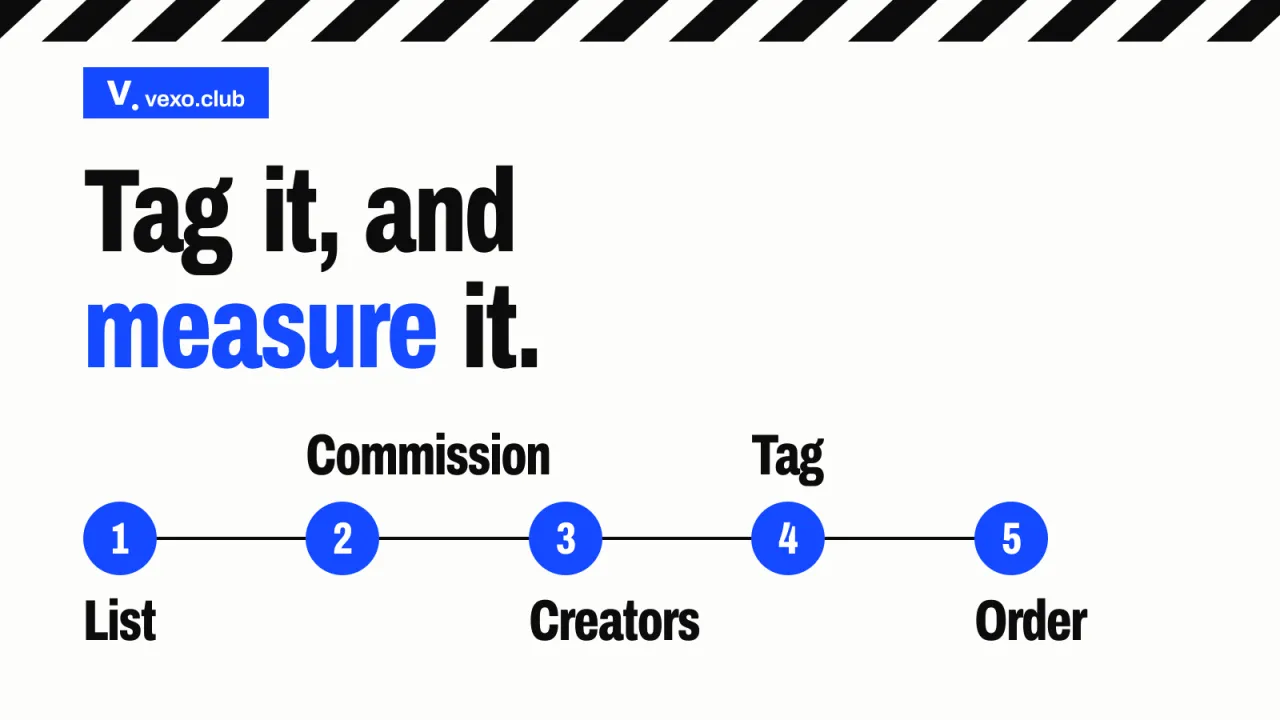
- Products listed To Merchant Center’s listing policy, directly or through a retailer in the programme.
- Commission set Per product, with an attribution window. The rate is shown to creators.
- Creators found Discover creators in Merchant Center and save them to a list, with a custom rate where the account offers one.
- A creator tags In YouTube Studio, if the creator chooses to, and names the product aloud or in text, on screen, in the title or in the description.
- A viewer orders Checkout is on the seller’s site.
- Commission paid Held through the return window, reversed on a return, paid to the creator through AdSense.
How does a brand find creators, and what can it offer them?
A seller finds creators in Merchant Center’s Creators tab, through a Discover creators search by name or category with filters for audience and creator metrics. Results show a channel’s subscriber count and average views and, for creators who have opted in to data sharing, the audience’s age, gender and country. YouTube’s page on channel insights sharing says that setting is off by default, so audience detail exists for some channels only, and Google’s page on discovering creators says a seller must accept its Terms of Use in Creator discovery to see that non-public data.
A seller can save creators to a list and map a custom commission to it, and a creator on the list sees the rate under “Special offer promotions” in YouTube Studio or as an inbox notification. Google’s pages on custom rates name no countries, while Google India says exclusive commission rates come with affiliate campaigns in India in 2027, so a brand checks whether its Commissions tab offers a creator-list rate before promising one. A list is a shortlist, not a contract: Google’s page on discovering creators says “Creators aren’t contractually obliged to produce content,” and YouTube tells creators that “If a campaign does not fit your channel, simply do not tag the products.” In the Affiliate Hub a creator can also request samples and sort sellers by highest commission, so a seller’s offer competes with every other seller’s.
The two seats in the programme
How are commissions paid, and what happens on a return?
The commission is paid to the creator through AdSense within 60 to 120 days of the purchase and reversed if the customer returns the product, according to YouTube’s overview. Its page on affiliate metrics adds that each seller’s own validation window, typically 30 to 90 days, decides when estimated revenue becomes earned revenue. For the seller, Google’s page on the programme says “you only pay when creators drive a purchase for one of your products.” Where YouTube generates the invoices, Google’s page on invoices says Merchant Center amounts are pre-tax subtotals and the PDF invoice adds any applicable tax. How GST and TDS apply is for the brand’s chartered accountant; this guide does not cover it.
What is affiliate partnerships boost?
Affiliate partnerships boost lets a seller run a creator’s organic affiliate video as a paid ad, with the creator’s permission. Google’s Accelerate with Google page, published on 13 May 2026, calls it a new advertising solution that “enables merchants to discover and boost organic YouTube Shopping affiliate videos within paid campaigns like Demand Gen”, and Google India’s post of 24 September 2026 says Nykaa will use it ahead of the peak shopping rush.
The creator decides how far it goes. By opting in, a creator gives the sellers whose products they tagged “permission to use your videos in their ads”, according to YouTube’s Help page, and earns the programme’s commission on the qualifying purchases the ads drive. That page’s default English edition, read in October 2026, still calls the feature “currently only available to a small group of creators”, though its India edition lists India among 16 countries where it is available; either way, only creators who opt in can be boosted. A creator can take a video out of a seller’s ads by removing that seller’s product tags.
Boosting a creator’s affiliate video
Advantages
- The video is the creator’s own, with the product already tagged
- Permission comes from the creator’s opt-in, for the sellers whose products are tagged
- The creator earns commission on qualifying purchases the ad drives
Drawbacks
- Only creators who opt in can be boosted, so a plan cannot rest on one named creator
- The creator can take a video out of a seller’s ads by removing that seller’s tags
- The seller pays for the ads and still pays commission on the purchases they drive
- A video made against a paid brief still needs its own rights clause
Verdict Worth asking a creator about. Not a plan to build a campaign on.
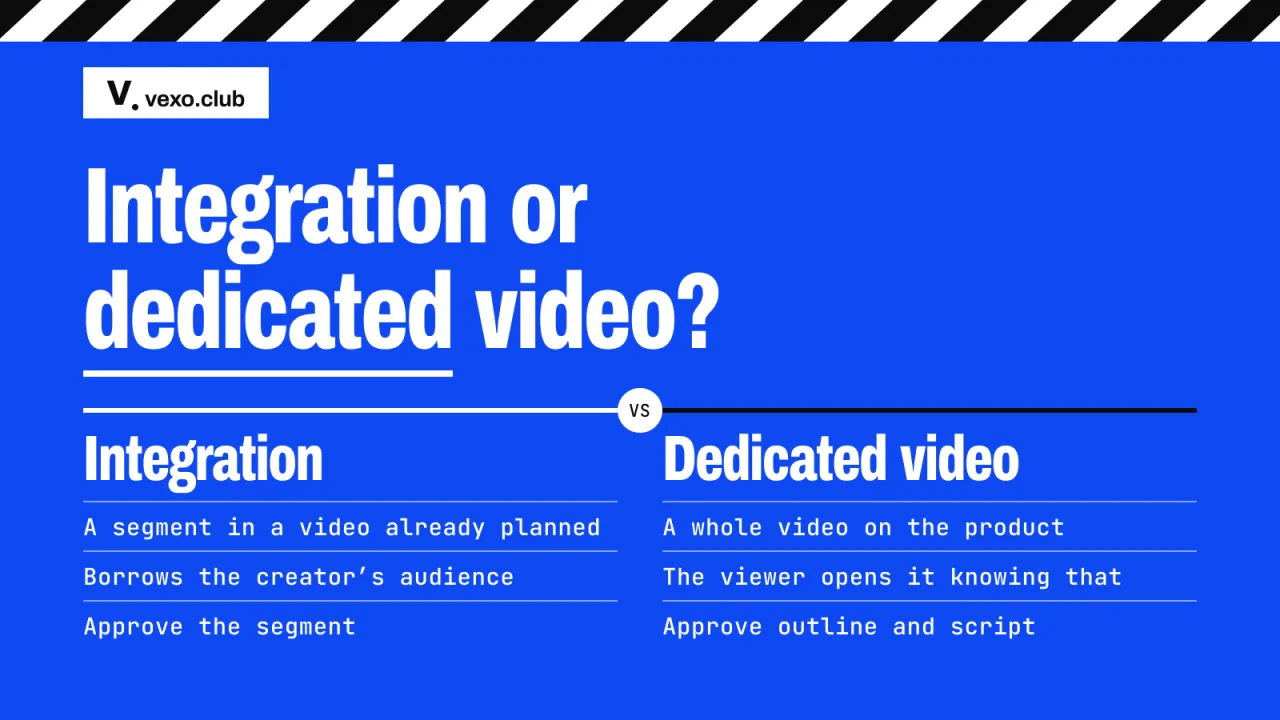
A video made against a paid brief is a different case. Google’s Ads Help page on creator partnerships boost tells advertisers they are “responsible for securing sufficient rights to use the video as an ad”, which “may require you to have a separate agreement with the creator or other rights holders”. YouTube’s brand partner access page lets a brand or its agency view a brand-deal video’s metrics and boost it once the creator grants access, and its boost page adds that, where a direct brand partnership with shared access exists, “the terms of that direct arrangement take priority over affiliate partnerships boost permissions”. Usage rights and integration or dedicated video cover the contract and the format.
How does this sit beside a paid creator brief?
It sits beside a paid brief rather than replacing one: a fee pays for the creator’s work, a commission pays for sales, and one brief can carry either or both. The differences are who pays, when, and who decides whether a video exists at all.
Affiliate commission, a paid fee, or both
| Commission only | Paid fee only | Fee and commission | |
|---|---|---|---|
| Who pays the creator | YouTube, through AdSense, after the sale | The brand, on the dates in the contract | The brand for the fee, YouTube for the commission |
| Whether a video is made | The creator’s choice, and a tag is never required | Fixed by the contract, with the script approved first | Fixed by the contract, with the tag part of the deliverable |
| The label | Needed, because a commission is a material connection | Needed, because a fee is a material connection | Needed, and the brief names the wording |
| How it is counted | Merchant Center: clicks, orders and commission | The creator’s export and the brand’s own analytics | Both reports, kept in separate columns |
| Best for | A creator who already uses the product | A launch with a date and a script to approve | A launch that needs a date and a sale count |
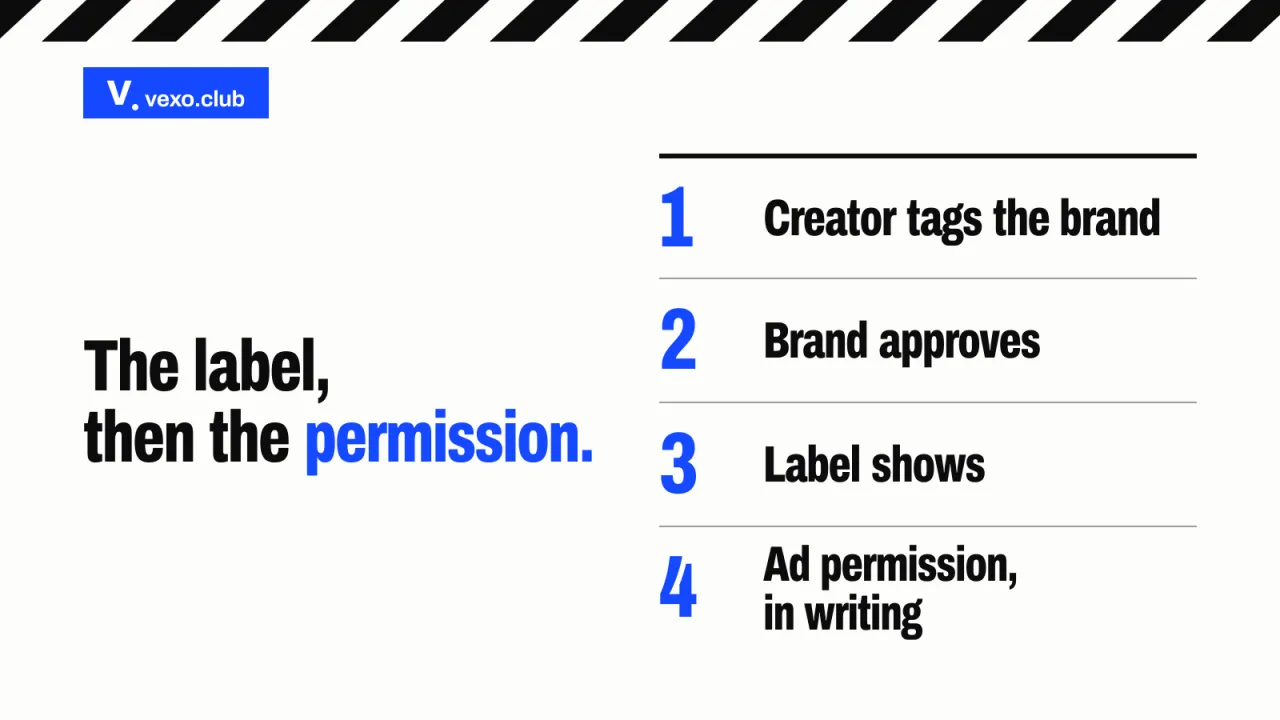
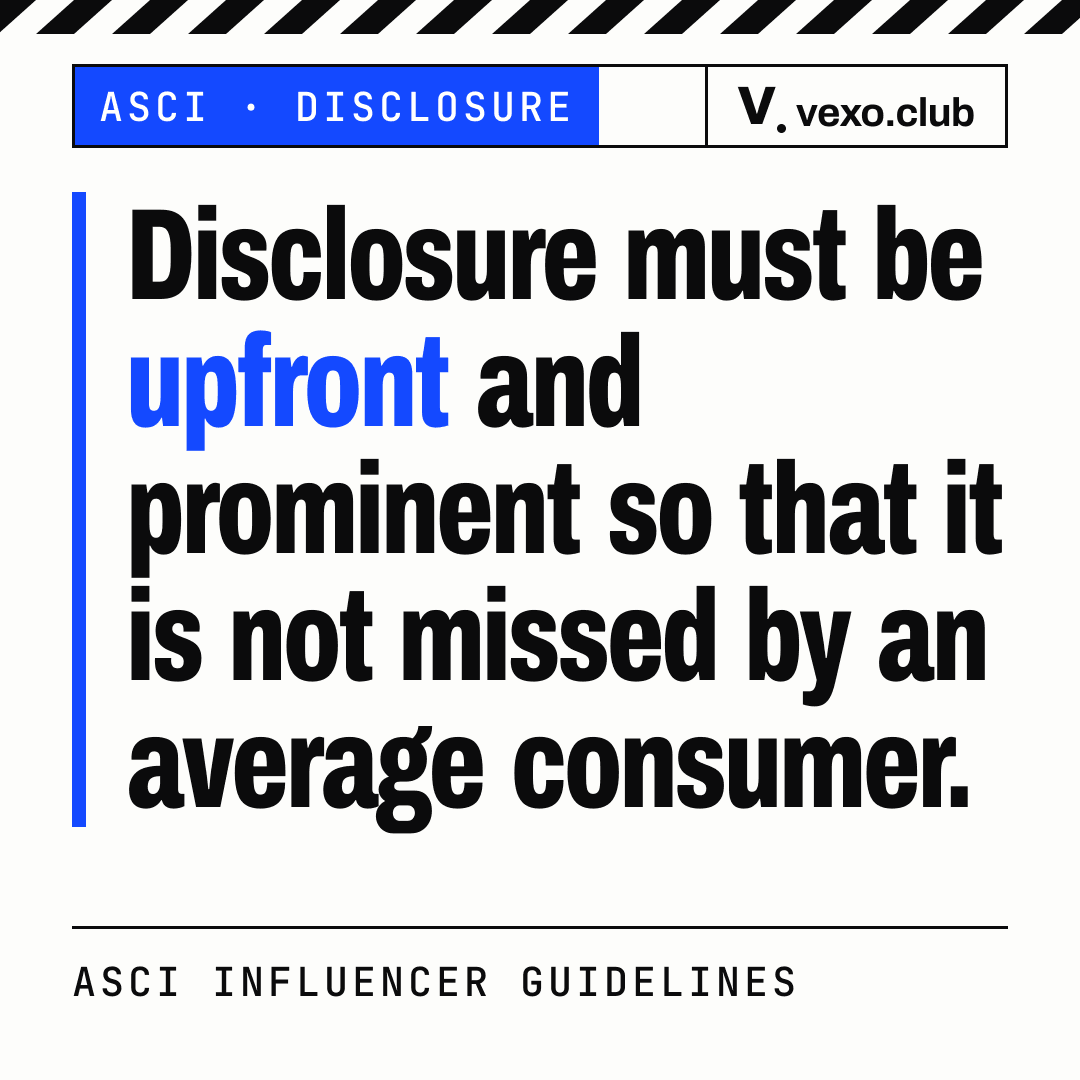
Disclosure does not change. A commission is compensation, and ASCI’s influencer guidelines, read in October 2026, list “monetary or other compensation” among the material connections that need a label. Its permitted labels include “Affiliate” and the “Includes Paid Promotion” tag on YouTube; a product tag is not on the list. The brand has its own duty: where an advertiser has a material connection with the influencer, “Advertiser’s responsibility will be to ensure that the posted Influencer advertisement is in line with the ASCI code and its Guidelines” (clause 1.5).
The Department of Consumer Affairs’ release of 20 January 2023 asks the same of influencers. YouTube’s page on paid promotions leaves the duty with “you and the brands that you work with”, and its tagging guidelines tell creators to “Add appropriate disclosures to your content, including the YouTube paid product placements and endorsements disclosures.” This is the desk’s reading of ASCI and the Department’s guidance, not legal advice.
Running an affiliate brief
Do
Put the label up front, in the video, in the words the brief names
Don’t
Leave it to the product tag, or to a line behind “more”
Do
Use YouTube’s paid promotion box and the creator’s own label together
Don’t
Treat the platform’s box as the whole disclosure
Do
Write the right to run a paid video as an ad into the contract
Don’t
Assume a creator’s boost opt-in covers a video made against a brief
Do
Have the label announced at the beginning and the end of a live stream
Don’t
Say it once, or leave a replay without it in the caption
ASCI wants it “announced at the beginning and the end of the broadcast”, and in the text or caption once the post stays up.
So the label belongs in the brief, with its wording and its place on screen. ASCI disclosure for brands sets out who labels what, and the desk checks the label before a post goes live.
Where ASCI wants the label
How does Instagram’s affiliate route compare?
Myntra now runs an affiliate programme on Instagram, built with Meta, in which creators tag products in posts and Reels. MediaBrief reported on 14 October 2026 that the company said it had recorded more than one million sign-ups within a month, with 200,000 creators already producing content. That is the company’s statement, not an audited figure. The set-up differs: Myntra’s programme is the retailer’s own, built with Meta; YouTube’s is one programme across the retailers it lists, shows each seller’s rate beside its products and pays creators through AdSense. Social commerce in India sets the models side by side, and Reels vs YouTube Shorts for brands compares the two formats.
What should a brand check first, and what should it count?
Settle the setup first and the counting second. These are the questions the desk would ask before a brand opens the merchant seat.
Before a brand opens the merchant seat
- Does a YouTube affiliate section appear in the brand’s Merchant Center account, or do its retailers carry the products?
- Which route sets the commission: an affiliate network, a direct integration or a Shopify integration?
- Is the rate one a creator would tag, now that every creator sees it beside the product?
- Which creators go on a saved list, and have they been through the audience check?
- Will each creator name the product aloud or in text (on screen, in the title or in the description) as YouTube’s tagging guidelines ask?
- Is the label named in the brief, with its wording and its place on screen?
- Does the contract say whether a paid video may be run as an ad, and for how long?
- Who reads Merchant Center, and when, given that results arrive as pending for months?
Count each step where its owner reports it. Merchant Center’s analytics page reports each step below and splits orders into organic affiliate and paid ads.
What a brand counts in an affiliate video
- Views of videos with the product tagged Merchant Center, Analytics tab
- Impressions of the product tag Times viewers saw the tag
- Clicks to the seller’s shop From the tagged product
- Orders Pending and approved, organic affiliate apart from paid ads
- Net sales After returns
- Commission Held until the return window closes
Stages in order. The widths are not to scale.
Google says the figures include transactions that “may be in a pending state and may change before being approved”, and a seller may not use the data to identify or track individual users, or merge it with other datasets to create granular profiles of individual users. The method for a brand report is in the desk’s post on counting results without inventing them.
How the desk runs a YouTube brief is set out on the YouTube brief page, and a brief that wants the product tagged as well as reviewed can be sent to the desk.
Questions brands ask
Is the YouTube Shopping affiliate programme available in India? Yes. India is on YouTube’s list of eligible countries, and Google India says more than half of eligible creators were enrolled as of May 2026.
How does a brand get its products into YouTube Shopping? Through a retailer in the programme, or through the YouTube affiliate section of its own Google Merchant Center account. Google’s merchant pages do not list the countries a seller can enrol from, so a brand checks its account and asks its retailers.
Can a brand choose which creators tag its products? A brand chooses whom to find, list and, where its Commissions tab offers a creator-list rate, offer a custom commission, but not who tags: a creator is never required to tag a product.
How much commission do YouTube affiliate creators earn? The seller sets the rate for each product, so there is no single figure, and this guide prints none. YouTube shows the rate beside each offer, and is currently passing all of the commission from affiliate merchants to creators as a temporary incentive.
Do affiliate videos need a disclosure? Yes, in the desk’s reading. A commission is compensation, which ASCI’s guidelines list as a material connection, and the permitted labels include “Affiliate” and YouTube’s “Includes Paid Promotion” tag. The label sits up front, not only behind a “more” click.
Does vexo.club run affiliate briefs? The desk does not run a brand’s Merchant Center account or the programme. A brief can ask for a product tag as well as a paid video, and a brief that asks for both should name the fee, the tag and the label in the contract; ASCI disclosure is checked before a post goes live.
Sources
- overview (opens in a new tab) support.google.com
- post of 24 September 2026 (opens in a new tab) blog.google
- Help page on tagging Amazon products (opens in a new tab) support.google.com
- tagging guidelines (opens in a new tab) support.google.com
- the launch with Flipkart and Myntra (opens in a new tab) storyboard18.com
- the addition of Nykaa and Purplle (opens in a new tab) storyboard18.com
- Made on YouTube post (opens in a new tab) blog.google
- help page (opens in a new tab) support.google.com
- support.google.com/merchants/answer/14815515?hl=en-IN (opens in a new tab)
- default commission rates (opens in a new tab) support.google.com
- tiered commissions (opens in a new tab) support.google.com
- Merchant Center’s Commissions tab (opens in a new tab) support.google.com
- page on channel insights sharing (opens in a new tab) support.google.com
- page on discovering creators (opens in a new tab) support.google.com
- affiliate metrics (opens in a new tab) support.google.com
- page on the programme (opens in a new tab) support.google.com
- support.google.com/merchants/answer/16834553 (opens in a new tab)
- Accelerate with Google page (opens in a new tab) business.google.com
- Help page (opens in a new tab) support.google.com
- creator partnerships boost (opens in a new tab) support.google.com
- brand partner access (opens in a new tab) support.google.com
- influencer guidelines (opens in a new tab) ascionline.in
- release of 20 January 2023 (opens in a new tab) pib.gov.in
- paid promotions (opens in a new tab) support.google.com
- MediaBrief (opens in a new tab) mediabrief.com
- analytics page (opens in a new tab) support.google.com
Cite this page
The YouTube Shopping affiliate programme in India: how a brand lists products, sets commissions, finds creators and puts paid money behind their videos. vexo.club, published 20 Oct 2026, updated 28 Oct 2026. https://vexo.club/blog/youtube-shopping-affiliate-programme-brands-india
Influencer marketing across India
Send the desk a brief: it comes back as a shortlist and a directional band, never a public price.
Brief the desk