Motivational influencers in India: speakers, coaches and what brands check
Motivational influencers in India are speakers, coaches and storytellers on YouTube and Instagram. The kinds of channel, how a brand briefs one, and the claims, labels and past statements to check first.
Benchmarks 11 min read The operators’ desk
In this article8 sections
Motivational influencers in India are speakers, coaches and storytellers who talk about mindset, habits, careers and values on YouTube and Instagram, and a brand books one for an audience that listens for a long time and acts on what it hears. This guide comes from vexo.club — an influencer marketing agency run from one desk in Delhi NCR — and it sorts motivational creators by kind, names a few from their own channel pages, and says what a brand checks before it pays one.
It prints no subscriber counts, no earnings and no ranking, because a typed count goes stale and a ranking sorts reach, not influence. Public creators are named from their own About pages, and none is a vexo.club creator. Roster creators are linked to their profiles and described from their records.
What to know before briefing a motivational creator
In short
- A motivational creator is booked for trust built over long videos and posts, so the brief protects that trust before it asks for reach.
- Channels are sorted by kind, not by rank: values and spirituality, mindset coaching, career and money, student motivation, and discipline and fitness.
- A product that promises a result in mind, money or health moves the brief into regulated ground, and the creator must be qualified to say it.
- A paid mention carries the ASCI label, and a past statement by the creator is checked before the brief, not after the post.
Who are the top motivational YouTubers in India?
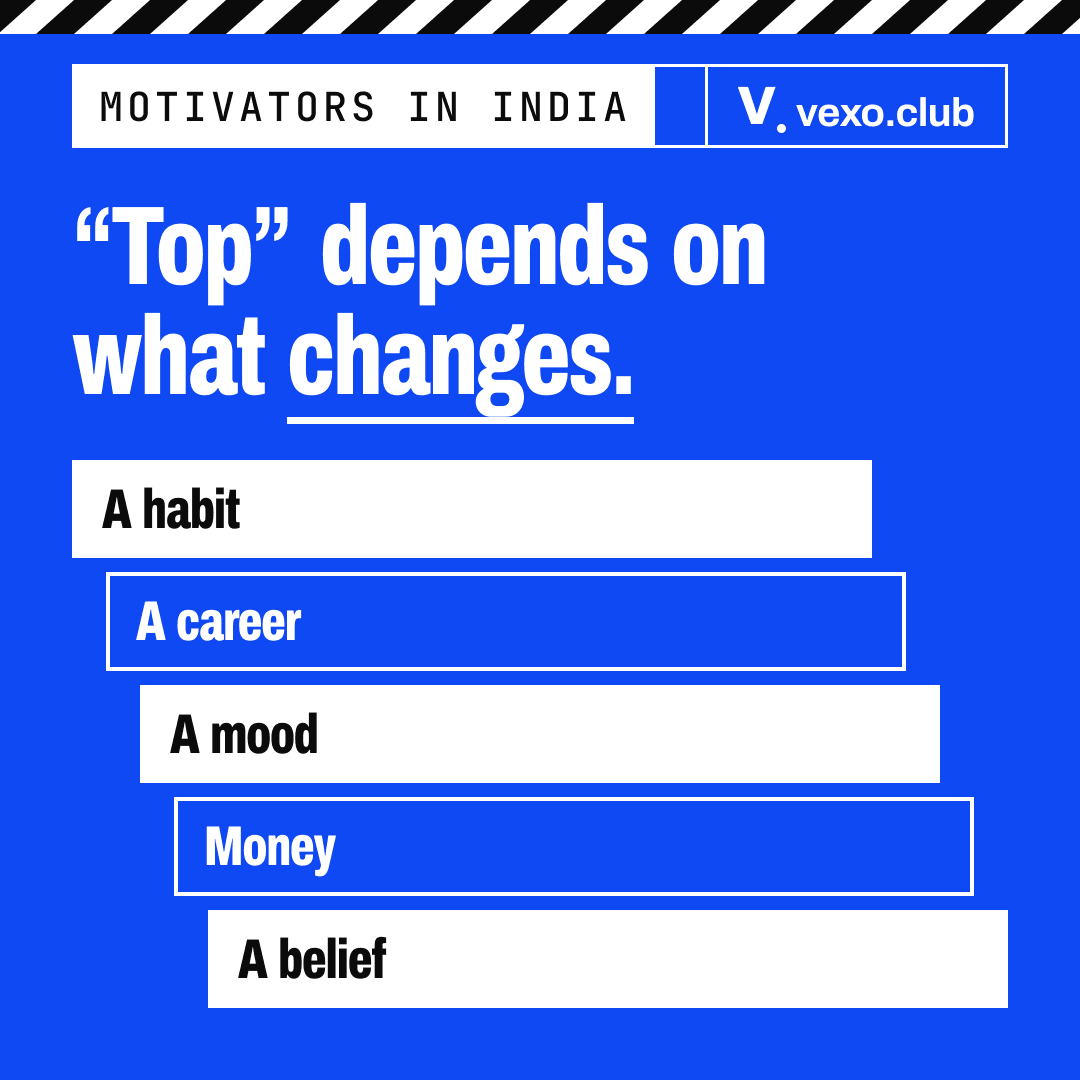
Nobody can answer that for a brief, because “top” depends on what the viewer is trying to change: a habit, a career, a mood, money or a belief. Lists sorted by subscribers rank reach, and reach does not tell a brand who a viewer believes. The useful question is what a channel does, and a few public channels show the range. Each is named from its own About page.
- Gaur Gopal Das. The About page calls the channel the official page of “a personal coach, monk, lifestyle & motivational strategist, sharing deeper spiritual insights with the world”, and gives an email address for event invitations.
- Him-eesh Madaan. The About page describes a “mindset coach” who works from “science, neuroscience, and deeply researched facts”, and says the channel also hosts a podcast with guests from different industries.
- Ankur Warikoo. The About page describes “a serial entrepreneur, a bestselling author and an online educator”, and lists LinkedIn among the platforms the creator publishes on.
What a motivational viewer is trying to change
The desk held back a few better-known motivational names after its brand-safety check, which reads current news and open legal matters on the day of writing and again before any booking. A name missing from this list is the result of that check, not an opinion on the creator. The grid below sorts the field by what the audience comes for.
Kinds of motivational channel, and what each gives a brand
| What the audience comes for | Check first | |
|---|---|---|
| Values and spirituality | A calmer way to think about a hard week | Whether the brand fits a faith or values setting |
| Mindset and performance coaching | A method for focus, habits and confidence | Whether any claim about the mind is one the creator is qualified to make |
| Career, money and self-development | A plan for a job, a skill or a first business | Whether a promise of income or a return is being implied |
| Student and exam motivation | A reason to start studying, and how | Audience age, and whether the product suits it |
| Discipline and fitness storytelling | Discipline shown through effort and routine | Whether the story is the creator’s own |
Who are the motivational speakers on Instagram?
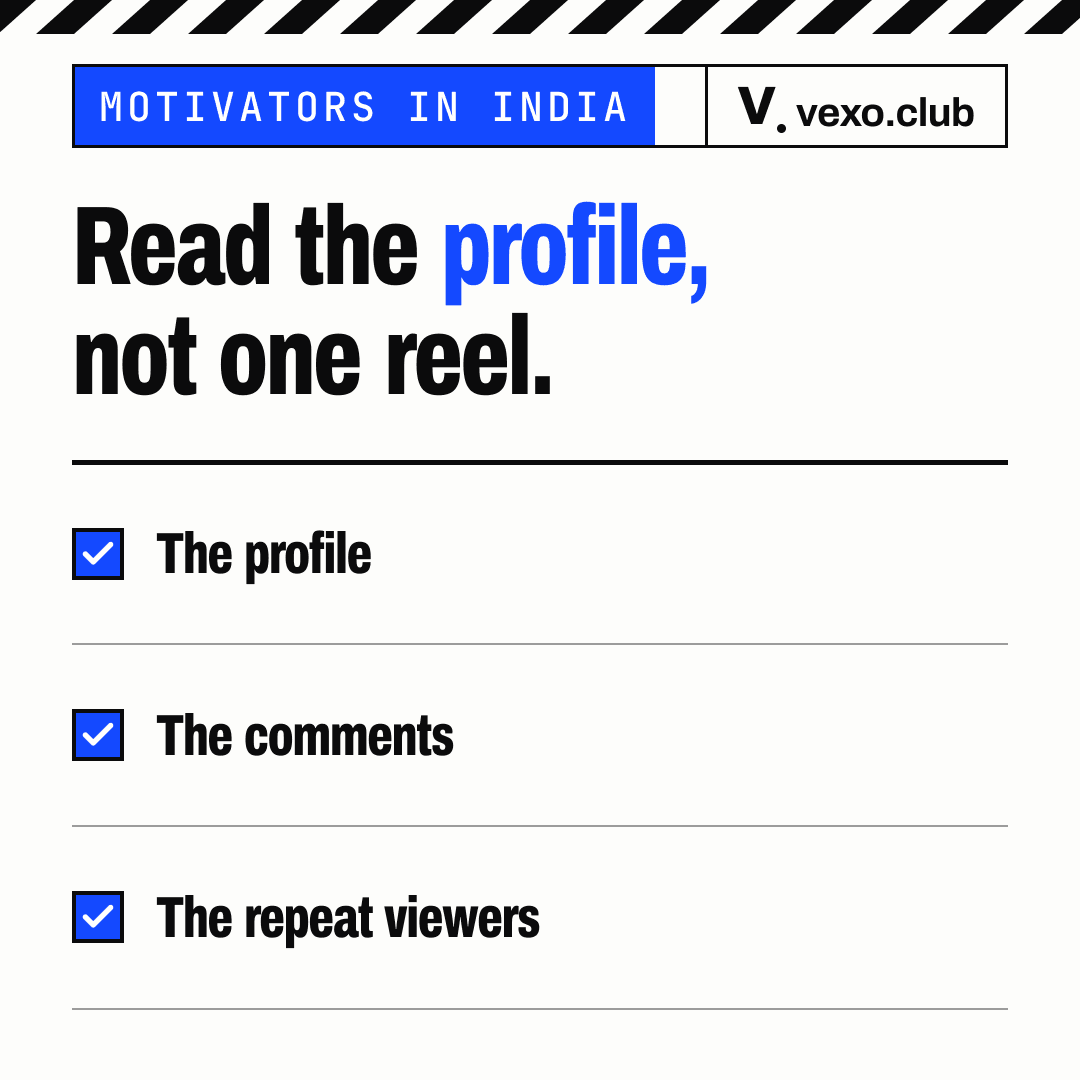
Instagram carries motivation as short reels and carousels, where a speaker has a few seconds to land a line, and the trust is built over many posts and not one. A brand reads the profile, the comments and the repeat viewers more than a single reel. The vexo.club roster has no profile described as a motivational speaker, so the desk names none as one. These profiles sit closest, and each is described only as its record describes it.
- Ankit Singh. Based in Haryana, on Instagram. The profile describes an Indian fitness creator known for traditional training, discipline-focused content, wellness and motivational storytelling. The category page is Fitness & Wellness creators.
- Faraz Khan. Based in Delhi, on Instagram and YouTube. The profile describes Desi Philosopher as thought-provoking content on philosophy, existentialism, psychology and modern life.
- Ankit Avasthi. Based in Rajasthan, on Instagram and YouTube. The profile describes an educator and digital creator known for current affairs, competitive exams, career development and general knowledge.
- Aman Dhattarwal. Based in Delhi, on Instagram and YouTube. The profile describes an educator and entrepreneur known for career guidance, entrepreneurship and student-focused content.
- Ishan Sharma. Based in Bengaluru, on Instagram and YouTube. The profile describes a business and technology creator whose content covers AI, entrepreneurship, freelancing, career development and personal growth.
What a brand reads on a motivational profile
The last four are Education and Tech & Gadgets profiles, named because career and self-development content is where a motivational brief often lands. The Education creators page lists the rest of that category, and the whole list is on the roster. Each is an independent creator the desk collaborates with brief by brief. The public channels and the roster profiles that have a YouTube channel are in one table.
Motivational and self-development channels named in this guide
| Channel | Category |
|---|---|
| Gaur Gopal Das | Values and mindset |
| Him-eesh Madaan | Mindset coaching |
| Ankur Warikoo | Career and money |
| Faraz Khan On the roster | Education |
| Ankit Avasthi On the roster | Education |
| Aman Dhattarwal On the roster | Education |
| Ishan Sharma On the roster | Tech & Gadgets |
What do creators call a motivational channel?
People also search for a motivational channel name, and the answer matters to a brand for a reason of its own. A name is the first claim a viewer reads. A name that says what the viewer will get is easy to check, and a name that promises an outcome is a promise the creator will be held to. The desk reads the channel name, the handle and the About page together, and the three should agree with each other and across platforms.
Reading a motivational channel name
Do
Prefer a name that says the subject or the voice, such as mindset, careers or values
Don’t
Accept a name that promises a result, such as income or a cure
Do
Check that the handle matches on Instagram and on YouTube
Don’t
Book an account whose handle only resembles a better-known creator’s
Do
Look for an About page that says who is behind the channel
Don’t
Book a channel that gives no person and no contact
What does a motivator in India do for a brand?
A motivational creator lends a brand an audience that is already in a mood to change something. That fits education, books, study and career tools, apparel for people who train or study, and any product sold as part of a routine. It fits poorly where the product has to be explained at length or where the claim is the product. The strengths and weaknesses are both real, and the brief says which it is buying.
A motivational creator for a brand
Strengths
- An audience that listens for a long time
- A voice that makes a routine or a habit look worth keeping
- Content that stays useful long after the day it was posted
Weaknesses
- A past statement can resurface and attach to the brand
- The line between motivation and a promise is easy to cross
- A faith or values setting does not suit every category
Verdict Strong for a product that belongs in a routine. Weak for a product that needs a claim to sell.
Which claims can a motivational creator make for a brand?
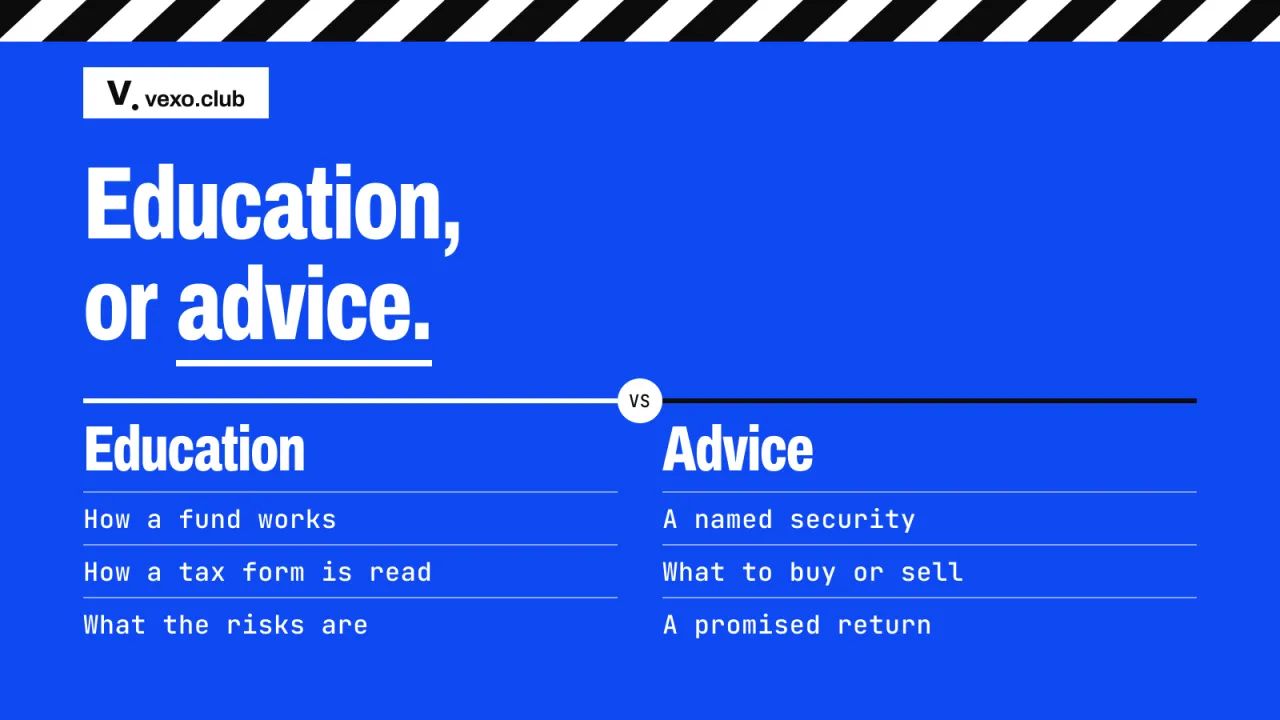
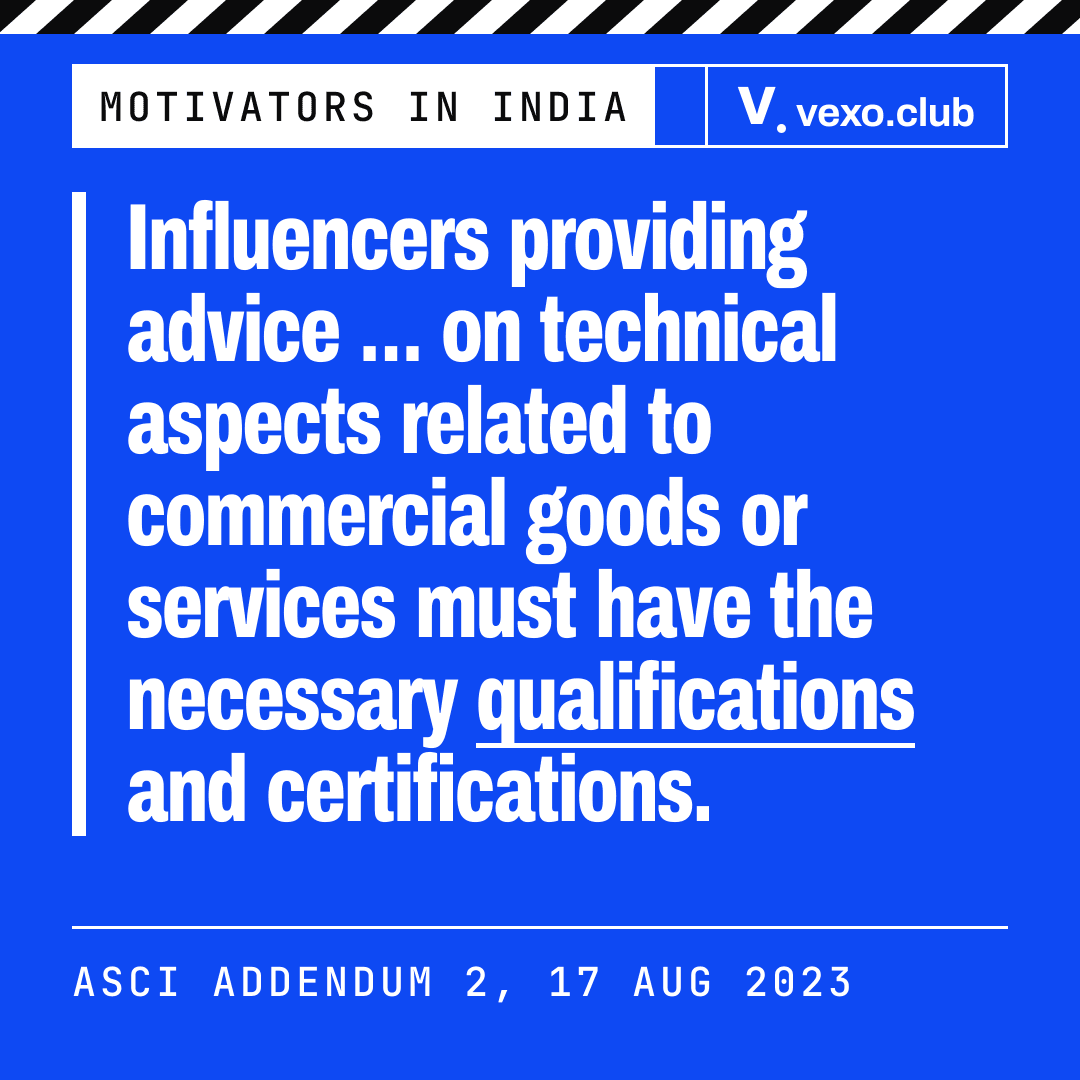
A motivational creator may talk about habits, study, work and the way they think. A claim about the mind, the body or money is different. ASCI’s influencer guidelines say that influencers who give advice or comment on the merits of financial or health products must have the necessary qualifications and disclose them upfront, and they name a psychologist as one qualification for health and nutrition advice. For investments, they say the influencer should be registered with SEBI. The guidelines also advise an influencer to satisfy themselves that the advertiser can substantiate its claims.
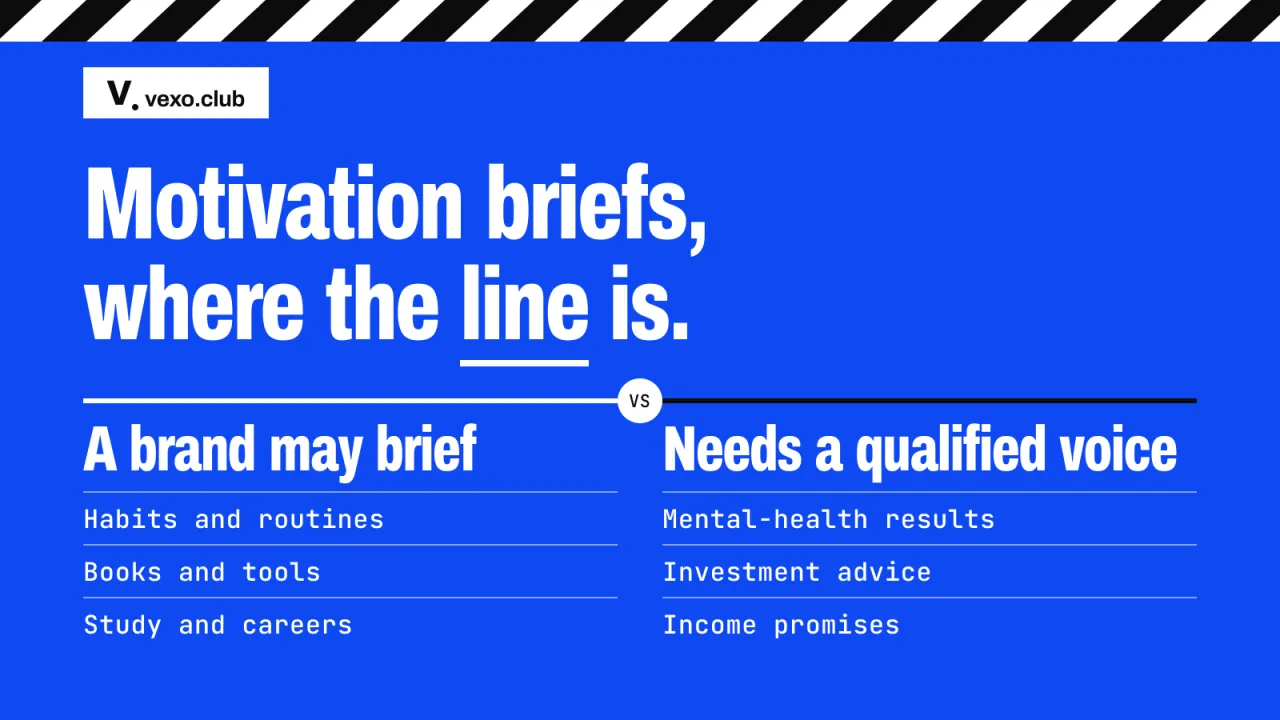
Motivational briefs: the line a claim crosses
A brand may brief
- Habits, study, careers and routines described as the creator’s own
- Books, courses and tools described as what they are
- A product shown in the creator’s day, labelled as paid
Needs a qualified voice, or does not run
- A product that promises a result for mental health
- Investment advice from someone not registered with SEBI
- A promise of income from a course or a scheme
The label is the other half. A paid mention is advertising, and ASCI’s guidelines apply to any material connection: money, a free product, a perk or an agreement to post. The label sits upfront and prominent, not only in a bio or at the end of a post, and the guidelines say a platform’s own disclosure tool should be considered in addition to the creator’s own label. ASCI disclosure for brands sets out who labels what and who checks.
Qualifications come first for finance and health claims
How is a motivational integration run?
The creator speaks in their own words, and the brand approves the facts and the label. The sequence matters most at the second step, because a motivational audience is quick to notice a script that is not the creator’s.
How a motivational integration is run
- Brief The product, the facts that must be right and the claims off limits
- History check Past statements, current news and open matters, read on the day
- Audience check Age, geography and language from the creator’s own exports
- Contract Usage, exclusivity and the labelling duty
- Post and review The label seen, the claim true, the report read against the check
What should a brand check before booking a motivational creator?
Check what the creator has said before, then who watches, then what the contract lets the brand do with the content. The history check is quick and it is the one a brand most often skips, because a motivational creator’s past opinions are the product.
Before a motivational creator is booked
- Current news and open legal matters, searched on the day
- Past statements on the topics the brand touches
- Audience age, geography and language, from the creator’s own exports
- Whether the claim is one the creator is qualified to make
- The ASCI label on the paid post, and where it sits
- Views over recent posts, not the best one
- Usage rights in writing: where the content may run, and for how long
The audience method is in how to check an influencer’s audience before you pay, and usage is the line that quietly breaks budgets, so usage rights is worth reading before the contract. For a motivational brief in Delhi NCR, the Delhi desk page describes how a brief is run, and a brief for anywhere can be sent to the desk.
Questions brands ask
Who is the number one motivational speaker in India? No source settles it, and it changes with the measure and the month. A live subscriber count for any channel is on its own YouTube page, and Social Blade keeps the history. A brand is better served by the kind of channel, the audience and the check than by a name.
Which motivational YouTubers can a brand book? Any whose record is clean on the day. The desk names no creator as bookable unless there is a roster profile, and the public channels in this guide are named from their own About pages, with no relationship recorded.
Does the vexo.club roster have motivational speakers? Not described as such. The roster holds fitness, education and business creators whose records mention motivational storytelling, career guidance or personal growth, and the desk says only what the record says.
Can a motivational creator promote a course that promises income? The desk does not brief it. A promise of income or returns moves the claim into financial advice, which ASCI’s guidelines reserve for qualified and, for investments, SEBI-registered people.
Does a paid mention in a motivational video need a label? Yes. Money, a free product, a perk or an agreement to post is a material connection under ASCI’s guidelines, and the label is upfront and prominent, with the platform’s tool used as well.
Send the desk a brief — it comes back as a shortlist and a directional band, never a public price.
Brief the desk