Mom bloggers in India: who they are, and what a brand checks first
Mom bloggers in India are parents who write and film family life on Instagram, YouTube and blogs. Who they are, how they differ from parenting experts, and what a brand checks on children in content and baby-product claims.
Benchmarks10 min readThe operators’ desk
In this article10 sections
Mom bloggers in India are parents, usually mothers, who write and film family life on Instagram, YouTube and personal blogs, and whose audience of other parents buys on their recommendation. A brand booking one has two questions that a follower table does not answer: is the creator speaking from experience or from expertise, and what is the plan for the children who appear in the content.
This guide comes from vexo.club — an influencer marketing agency run from one desk in Delhi NCR. It sorts mom and parenting creators by what they are qualified to say, names no public creator it cannot confirm from the creator’s own page, and leaves out follower counts, which move daily. Mom blogger, mommy blogger, mother blogger and parenting influencer are searched as different phrases and used for the same people.
Mom bloggers in short
In short
- Mom bloggers are parents who write and film family life, mostly on Instagram, and their audience of other parents buys on their recommendation.
- A brief names the kind of creator first: experience-led mom blogger, qualified expert, family vlogger or specialist in one stage.
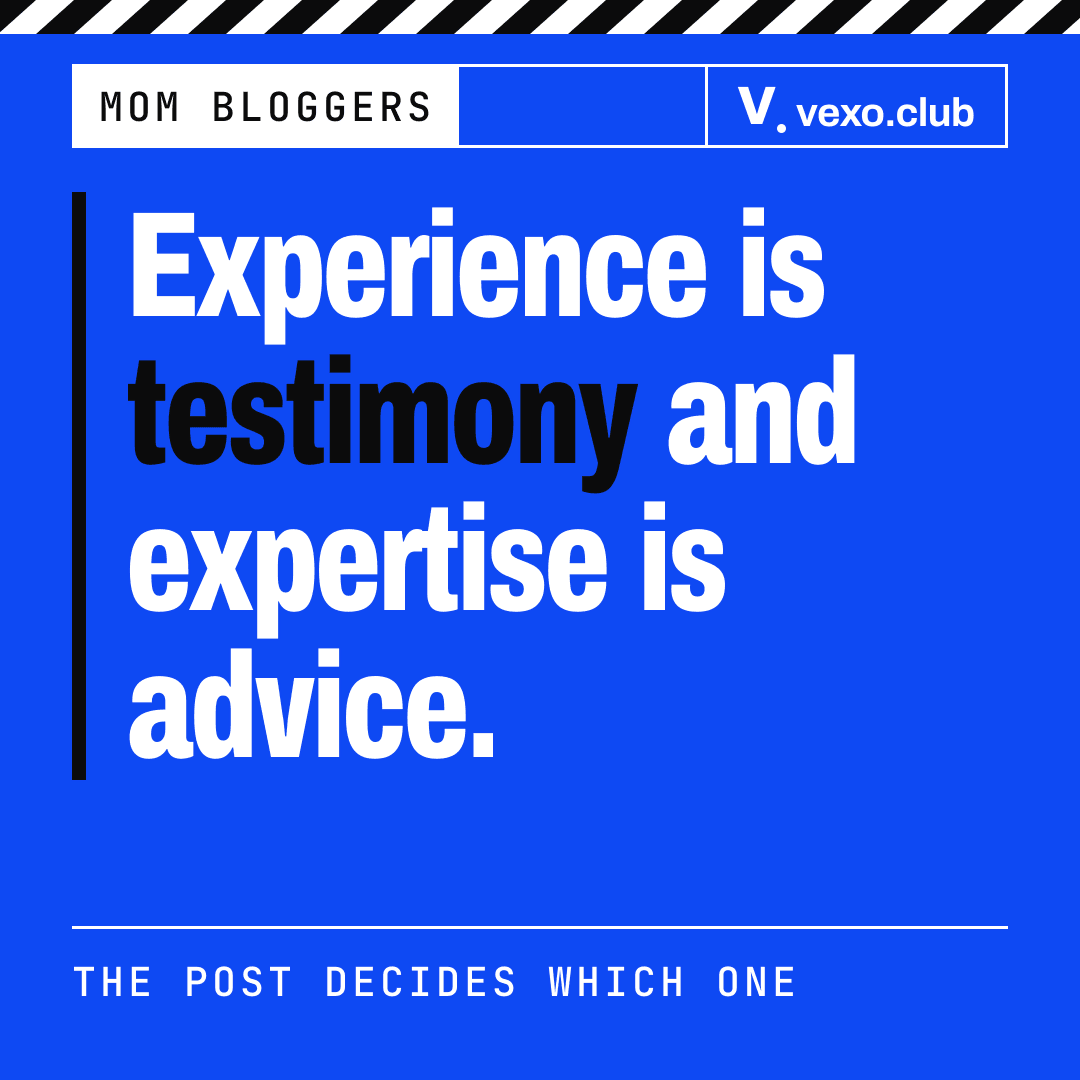
- Experience is testimony and expertise is advice; advice on health or nutrition asks for a qualification stated upfront.
- A child on screen needs a plan written before the shoot, with the guardian’s decision in writing.
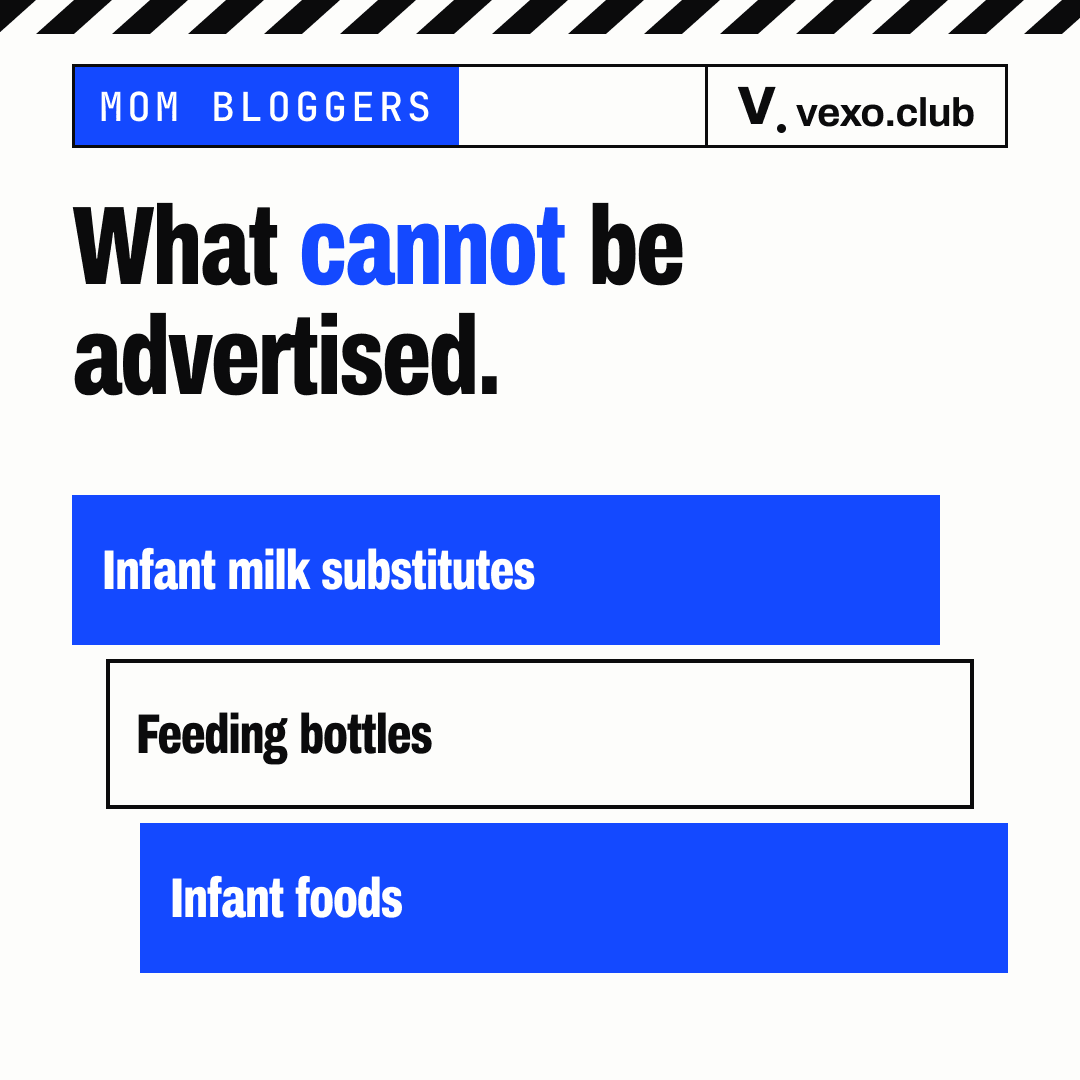
- Infant milk substitutes, feeding bottles and infant foods cannot be advertised, so a brand in that category takes legal advice before briefing anyone.
Who are the mom bloggers in India?
They are creators who make parenthood their subject: pregnancy and postpartum, feeding, sleep, school, family routines and the household purchases that follow. Some write long posts on a blog, some film on YouTube, and most work mainly on Instagram. What they share is an audience that trusts a recommendation from someone in the same stage of life.
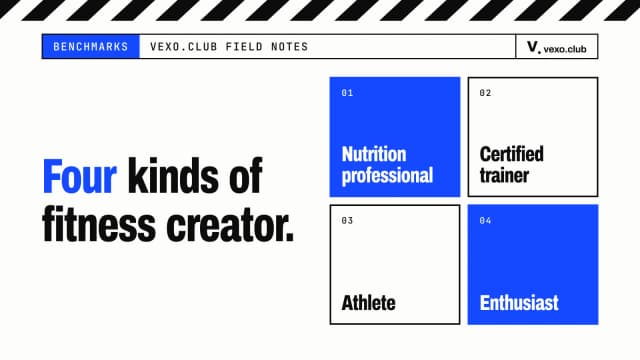
Four kinds of parenting creator, and what each is for
| What they bring | Suited to | Brief rule | |
|---|---|---|---|
| Lived-experience mom blogger | Honest, relatable stories from daily life | Household and lifestyle products, experience-led reviews | Speaks from experience; no advice framed as expertise |
| Parenting expert with a qualification | A named qualification and a method | Advice-led content and programmes | State the qualification; keep claims inside it |
| Family vlogger | Whole-household storytelling, often on video | Brands that suit a family frame | A written plan for any child on screen |
| Specialist in one stage, such as postpartum | Depth in one phase of parenting | Maternity, feeding, recovery and baby-care products | Claims checked against the product’s own evidence |
Which mom and parenting creators are public on Instagram and YouTube?
Many, and most of them work mainly on Instagram. This guide names none of them, on purpose. It names a public creator only where the creator’s own site or channel confirms what they do, and the parenting creators the desk looked at publish mainly on Instagram profiles that cannot be read without signing in. A name that cannot be confirmed from the creator’s own page is not printed here, and a brief that wants a parenting voice is shortlisted to the brief instead.
Nothing is said here about any creator’s children, and a brief should not say more than the creator has published. Live follower counts are on each profile; they change daily and are not typed in this article.
Does vexo.club have mom or parenting creators on its roster?
Not under a parenting category today. Parenting & Family is a category a creator can be filed under, but no profile on the live roster is filed there yet, so a mom-blogger brief is cast to the brief from creators outside it. The nearest record is a family-and-lifestyle vlogger: Sourav Joshi, whose record describes daily-life storytelling, family content, travel and lifestyle vlogs. His niche on the roster is Comedy & Entertainment, and he is labelled “Network — independent”: bookable through the desk, with his management staying with him.
For a parenting brief the desk’s shortlist comes back in 18 hours, with audience fit and rate cards, and it names the kind of creator from the table above for each name. That one line is what keeps an experience-led recommendation from being sold as expert advice.
How are mom bloggers different from parenting influencers?
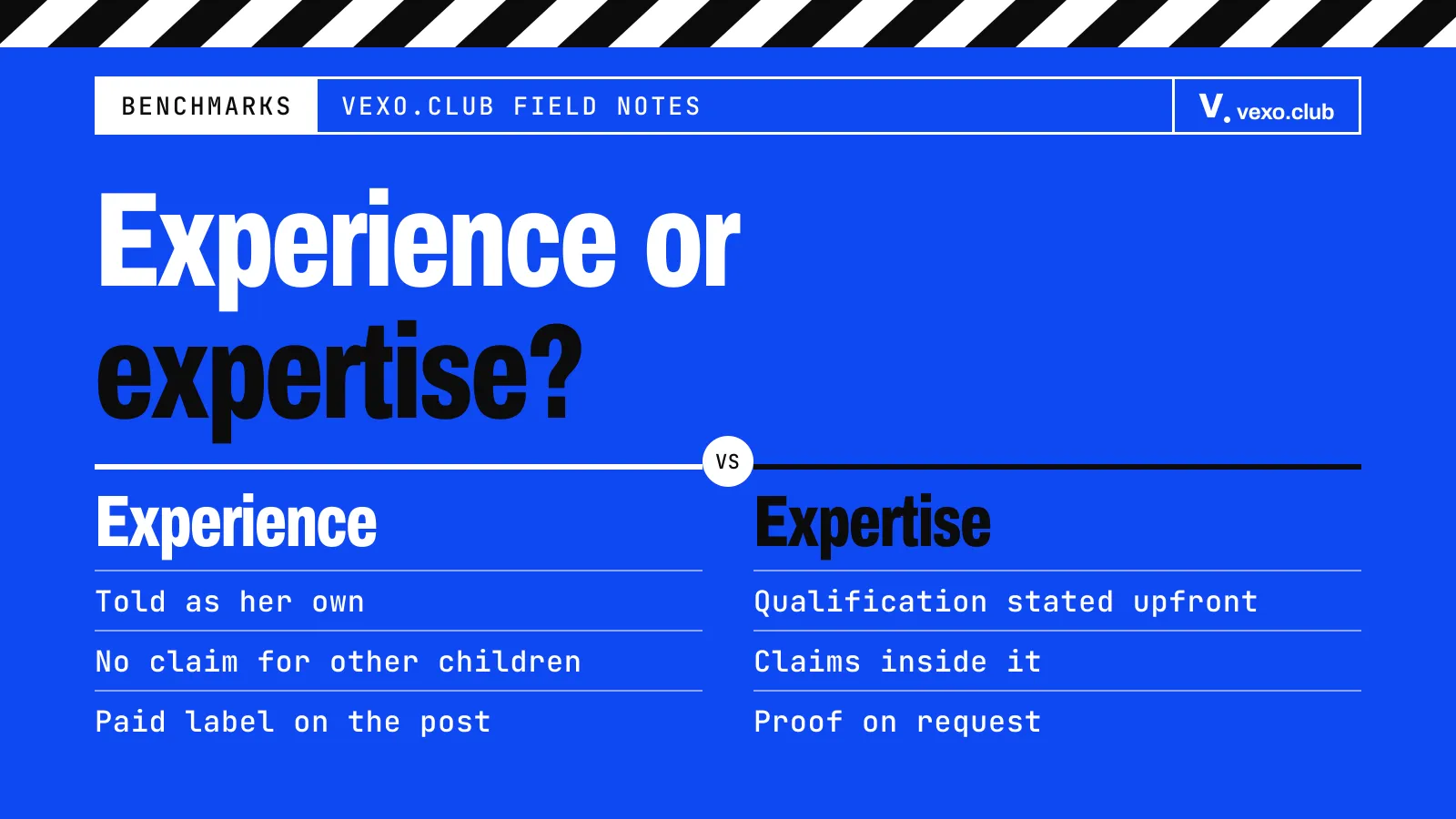
A mom blogger tells you what happened in her house; a parenting influencer with a qualification tells you what to do in yours. The first is testimony and the second is advice, and the rules treat advice about health and nutrition more strictly. The label on a creator’s profile does not decide which one a post is. The content of the post does.
Experience or expertise: what the brief should ask for
| Speaking from experience | Speaking from expertise | |
|---|---|---|
| What it is | What the creator tried and how it went for them, told in the first person | Advice on feeding, health or development |
| What the post carries | A disclosure label on every paid post | The qualification stated upfront, and the label |
| Claims | No claim that it works for anyone else’s child | Claims inside the qualification and the evidence |
| Proof | Not applicable | Proof of the qualification ready on request |
ASCI’s Addendum 2 to its influencer guidelines, dated 17 August 2023, asks creators who advise on health and nutrition to hold relevant qualifications and to state them upfront. It names prevention, treatment, cure and remedy claims. A parenting expert whose advice touches those lines meets it by stating the qualification; a mom blogger without one shares generic information and her own experience, and the brief stays there. The wider rules for labels are in ASCI disclosure for brands.
The difference between a mom blogger and an expert
What are the rules on children in influencer content?
The rules are about the child as a person in the frame and as the audience. ASCI’s Code, in the chapter on advertisements addressed to or featuring children, says an advertisement shall not contain anything that might harm a minor physically, mentally or morally or exploit their vulnerability, and shall not show dangerous acts a child might copy. The Central Consumer Protection Authority’s Guidelines for Prevention of Misleading Advertisements, 2022, also carry a section on advertisements that target children.
A child in influencer content
Do
Write the plan for a child on screen before the shoot
Don’t
Negotiate it after the edit
Do
Put the guardian’s decision in writing
Don’t
Let the brand’s approval stand in for it
Do
Show nothing that might harm a minor physically, mentally or morally
Don’t
Exploit a child’s vulnerability or show dangerous acts a child might copy
Two further instruments matter to a brand. The Child and Adolescent Labour (Prohibition and Regulation) Act, 1986, as amended in 2016, lets a child work as an artist in advertising and entertainment under prescribed conditions, provided it does not affect schooling. The National Commission for the Protection of Child Rights published draft guidelines on child participation in entertainment in 2022 that were written to reach social media and advertisements; check their current status before relying on them. And the Digital Personal Data Protection Act, 2023, in section 9(3), bars tracking, behavioural monitoring and targeted advertising directed at children, which bears on how paid reach is set up. A brand should put these in front of its own counsel; this guide is not legal advice.
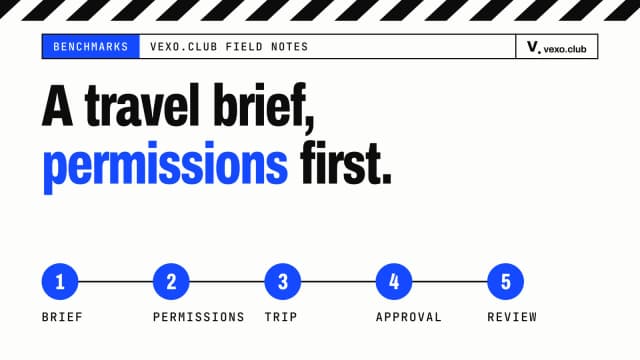
In practice the brief turns those rules into agreements the creator can follow. The plan for a child on screen is written before the shoot, not negotiated after the edit.
How a post with a child in it is approved
- Brief States whether a child appears, and in what role
- Guardian decision The parent decides, in writing, what is shown
- Legal check Child-artist permissions and data rules, with counsel
- Draft No dangerous acts, no exposure beyond the brief
- Approval and live review Label, claims and the frame read again after posting
What do baby-product briefs have to get right?
They have to get the product claim and the product category right before the creative. Feeding, skin care and safety gear for babies each carry their own rules, and the creator is not the person who substantiates them. The Infant Milk Substitutes, Feeding Bottles and Infant Foods (Regulation of Production, Supply and Distribution) Act, 1992, in section 3, prohibits advertising infant milk substitutes, feeding bottles and infant foods, so a brand in that category takes legal advice on what a creator may say at all, and the answer is often nothing.
Baby products a mom blogger cannot advertise
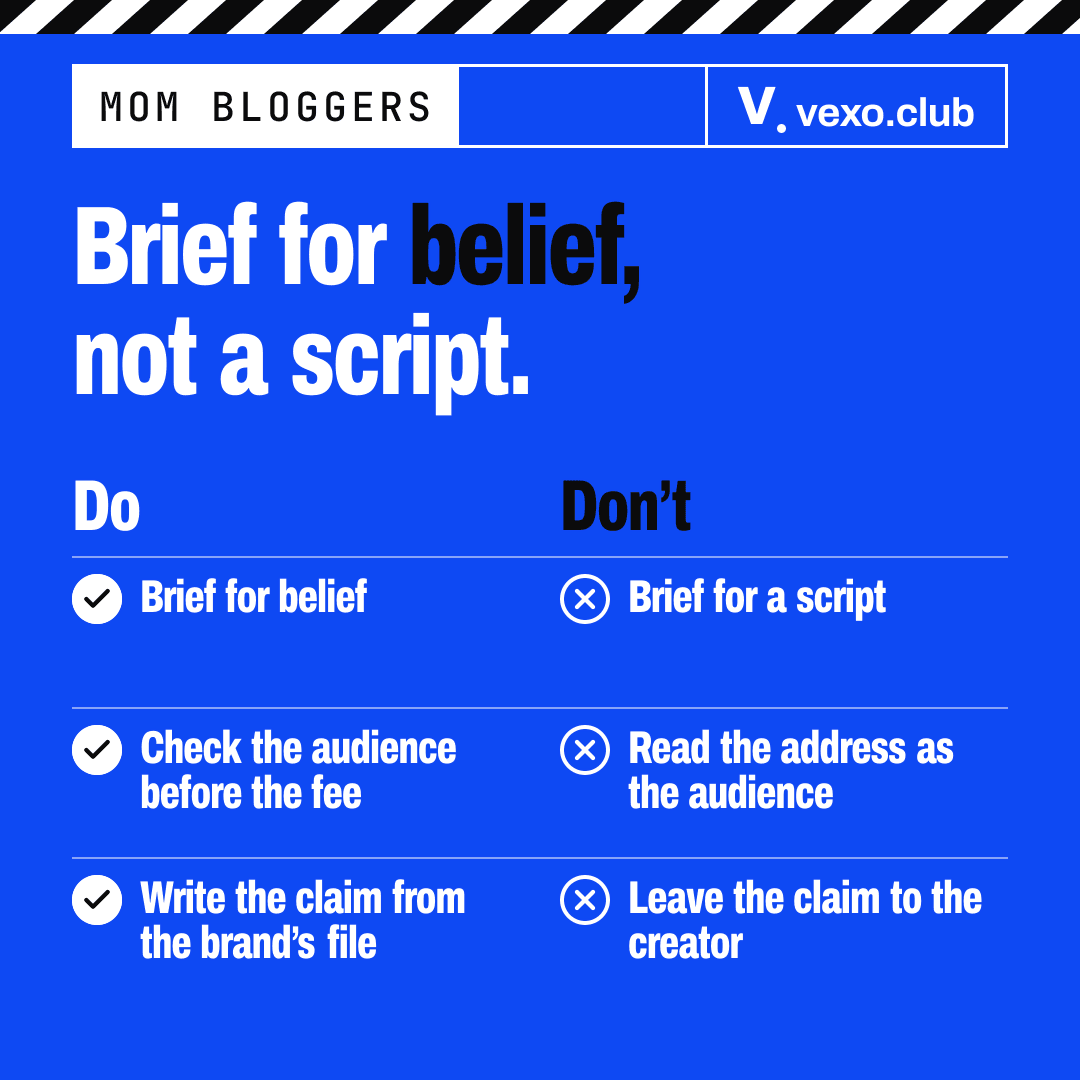
For other baby products, the same discipline as any health-adjacent claim applies. Food claims follow the Food Safety and Standards (Advertising and Claims) Regulations, 2018, which ask for truthful, scientifically substantiated claims. A skin-care claim made to parents on behalf of a baby is read closely by the parents it is aimed at, and it needs the same evidence on file as any cosmetic claim. The approved claim is written by the brand, from its own file, and the creator speaks only within it.
Before booking a mom blogger for a baby product
- Is this product category restricted in advertising, and has counsel confirmed what may be said
- Is every claim on the brand’s approved list, with its evidence on file
- Is a qualification needed for the advice in the brief, and who holds it
- Does the creator’s audience match the buyer: parents of this age, in these cities
- Will a child appear, and is the guardian’s written decision in hand
- Is the paid label planned on the visuals and in the caption
- Are usage rights, takedown and the length of any licence written down
Who is the audience for a mom blogger, and where?
It is other parents, and most of them are not in the creator’s city. A creator’s address says little about where viewers live, so the audience check comes before the fee. Checking an influencer’s audience sets out the exports, geography and comments the desk reads, and it matters most here, because parenting audiences are tight-knit and the comments are where a doubtful recommendation is exposed.
A mom blogger’s reach is also layered by language. Hindi, English and regional-language parenting content are separate audiences, and a script translated from English shows. The desk’s guide to running a regional launch in four languages covers casting and approvals when one claim has to survive more than one language.
What are the advantages and the limits of mom bloggers?
The advantage is trust, and the limit is the same thing: a viewer who trusts a parent will act on what she says, so a recommendation she does not believe in does damage fast. Briefing for belief rather than for a script is slower and gives a better post.
Mom bloggers: advantages and limits for a brand
Advantages
- An audience in the same stage of life as the buyer
- Testimony that reads as a friend’s, not an advertisement
- Content that stays useful long after the post
- Comments that show real questions and objections
Limits
- Experience is not evidence, and the post must not pretend it is
- Children in frame need a plan and a guardian’s decision
- A script that sounds written is noticed at once
- Category rules, such as infant foods, may leave little to say
Verdict The advantage is trust, and the limit is the same thing.
Paid reach and rights are priced apart from the post. Whitelisting — running the brand’s budget through the creator’s handle — and the term of a usage licence are fees of their own, and when the content features a child they raise the questions above again. Usage rights and creator whitelisting belong in the first brief.
How to brief a mom blogger
Should a brand book a mom blogger directly or through an agency?
A brand can brief creators directly, through a creator’s manager, or through an agency; each route works. An agency adds a second reader on every draft: at vexo.club every paid post carries its disclosure and is checked for it before sign-off, and the person who scopes the brief runs it. The desk is in Delhi NCR, contracts and briefing take inside a week, and first content is live in 10–14 days for most categories.
For the wider picture, see influencers in India and micro influencer marketing, which covers the smaller creators many parenting briefs use. To start a parenting brief, send it to the desk.
Questions brands ask
Who are the top mom bloggers in India? There is no list that holds for every brief, and the desk does not rank creators. Mom and parenting creators range from experience-led bloggers to qualified experts, so the useful list is by kind, and the useful check is whether the audience matches the buyer.
Can a mom blogger give parenting advice in a paid post? Experience-led recommendations are fine with a clear paid label. Advice on health or nutrition falls under ASCI’s August 2023 addendum, which asks for a relevant qualification stated upfront. A mom blogger without one shares her own experience and generic information.
Can a brand feature a creator’s child in an ad? Only with the guardian’s written decision and after the brand’s counsel has checked the child-artist permissions and the data rules that apply. ASCI’s Code also bars advertisements that exploit a minor’s vulnerability. The plan for the child goes in the brief, not in the edit.
Can baby food or formula be promoted by influencers? Section 3 of the Infant Milk Substitutes, Feeding Bottles and Infant Foods Act, 1992, prohibits advertising infant milk substitutes, feeding bottles and infant foods, so a brand should take legal advice before briefing any creator. Other baby foods follow the FSSAI claims regulations.
Does vexo.club have mom bloggers on its roster? Not under a parenting category yet. The roster’s nearest record is a family-and-lifestyle vlogger, and parenting briefs are cast to the brief from creators outside it.
Send the desk a brief — it comes back as a shortlist and a directional band, never a public price.
Brief the desk